Changes the currency used to display prices on this site.
0 Cart
Added to Cart
    You have items in your cart
    You have 1 item in your cart
    Total
    Check Out Continue Shopping

    Info & Tips — off-ice training

    A Comprehensive Guide to Off-Ice Figure Skating Training

    A Comprehensive Guide to Off-Ice Figure Skating Training

    Quick Answer: What is off-ice figure skating training?

    Off-ice figure skating training is a structured program of strength work, flexibility drills, cardio, and mental preparation performed away from the ice. It helps skaters build the power, endurance, and focus needed to perform jumps, spins, and footwork at their best. Most competitive skaters train off the ice several times a week alongside their on-ice sessions.

    Off-ice training is a crucial aspect of figure skating that should not be overlooked when considering your workout program as an amateur or professional skater.

    It is an essential part of a skater's overall training program that complements on-ice practice.

    Skaters who commit to consistent off-ice training develop the strength, flexibility, and mental focus that separates good skaters from great ones.


    Build Your Off-Ice Figure Skating Training Program at Home With PolyGlide Ice


    At PolyGlide Ice, we believe every skater deserves the ability to train on their own terms... at home, on their schedule, without limits.

    Off-ice training helps skaters improve their overall athleticism, strength, balance, and flexibility, which can enhance their on-ice performance and conditioning.

    This guide covers everything you need to build a complete off-ice training program, from strength and flexibility to cardio, injury prevention, nutrition, and mental preparation.

    Off-Ice Training Fundamentals

    off-ice training fundamentals for figure skaters

    Off-ice training is a crucial part of figure skating and brings many advantages for any level of skater.

    It helps keep skaters safe and prevents injuries when they're on the ice.

    Skaters who train off the ice regularly reduce their chances of getting hurt during practice or competition.

    Off-ice training is famous for its ability to enhance physical fitness by boosting cardiovascular endurance, muscular strength, and flexibility.

    This is particularly important for figure skaters, who must be in top shape to successfully pull off their routines.

    Skaters participating in off-ice training programs can develop the necessary skills and strength to perform more complex figure skating jumps, spin positions, and footwork.

    Off-ice training also allows skaters to mix things up with other activities to improve their fitness and level up their degree in figure skating.

    Consider yoga, Pilates, ballet, and dance as these can help build flexibility, balance, and core strength... all key to nailing those tricky moves on the ice.

    Off-ice training can also help with mental focus, which is essential for mastering complex jumps and spins.

    When skaters regularly engage in off-ice training, it builds mental toughness that helps them push through challenges and stay focused during practice and competition.

    If you're serious about taking your skating to the next level, work with a qualified coach or trainer who has experience with figure skaters.

    The right coach will create a program tailored to the individual skater's needs and goals, covering everything from ballet and rotation work to core strength and conditioning.

    Strength Training for Figure Skaters

    strength training for figure skaters

    Strength training is a vital component of off-ice training for competitive figure skaters.

    It fosters the development of muscles essential for executing jumps, spins, and footwork on the ice.

    Strong muscles are what give a skater the power to launch into the air and the stability to land cleanly every time.

    Strength training also reduces the likelihood of injuries and enhances overall athletic performance across your entire skating routine.

    Importance of a Strength Training Program

    • Muscle Development: Ice skating demands substantial muscle strength, primarily in the legs, core, and upper body. Strength training builds these muscles and adds power and explosiveness on the ice.
    • Injury Mitigation: Robust muscles reduce injury risk, particularly in the knees, ankles, and hips, which are the most commonly injured areas for figure skaters.
    • Improved Performance: Strong muscles allow skaters to execute more complex jumps, spins, and footwork, which directly improves scores in competitive figure skating.

    Types of Strength Training and Conditioning

    Many types of strength training exercises can benefit figure skaters. Some of the most effective include:

    • Plyometric Exercises: Explosive power movements that build strength and speed, such as box jumps, jump squats, and single-leg jumps.
    • Bodyweight Exercises: Exercises that use the body's own weight to build strength, such as push-ups, squats, and lunges.
    • Weight Lifting: Using weights or resistance bands to build strength, such as bench presses, deadlifts, and bicep curls.
    plyometric box jumps for figure skaters

    Body Form and Technique Exercises

    Proper form and position are essential for effective and safe strength training.

    Here are some tips for performing strength training exercises with proper form:

    • Keep your core engaged to protect your lower back.
    • Use a full range of motion for each exercise.
    • Use proper breathing techniques, exhaling on the exertion and inhaling on the release.
    • Avoid overloading the weight, which can lead to injury.

    Recommended Power Sets and Sample Routine

    It is important to perform a sufficient number of sets and repetitions to get the most out of strength training.

    Here is a recommended set and repetition range for figure skaters:

    • Three sets of 8-12 reps for plyometric exercises
    • Three sets of 12-15 reps for bodyweight exercises
    • Three sets of 8-10 reps for weight lifting exercises

    Here is a sample routine for figure skaters that incorporates strength training:

    • Warm-up: 5-10 minutes of cardio (such as jogging or jumping jacks)
    • Plyometric Exercises: Box jumps (3 sets of 8-12 reps), jump squats (3 sets of 8-12 reps), single leg jumps (3 sets of 8-12 reps on each leg)
    • Bodyweight Exercises: Push-ups (3 sets of 12-15 reps), squats (3 sets of 12-15 reps), lunges (3 sets of 12-15 reps on each leg)
    • Weight Lifting: Bench press (3 sets of 8-10 reps), deadlifts (3 sets of 8-10 reps), bicep curls (3 sets of 8-10 reps)
    • Cool-down: 5-10 minutes of stretching

    figure skater stretching routine

    In summary, incorporating strength training into off-ice training routines is a crucial step for figure skaters at every level.

    This training helps build muscles, prevent injuries, and elevate overall performance on the ice.

    Flexibility Training for Figure Skaters

    Flexibility is a fundamental element of figure skating, given that it allows skaters to execute a more extensive range of motion and perform more fluid movements.

    Flexibility also plays a critical role in injury prevention, as tight muscles and joints are more prone to injury.

    A flexible skater moves with more grace and control... and recovers faster when something unexpected happens mid-routine.

    Here are four ways figure skaters can improve their flexibility:

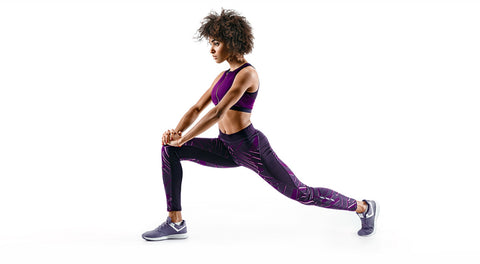
    1. Dynamic stretching: Involves movement, such as leg swings or lunges, and is best done as part of a warm-up before training to avoid injury. Be sure to stretch those hamstring muscles.
    2. Static stretching: Involves holding a position for a set period, such as a seated straddle or hamstring stretch. Best done after a workout or training session.
    3. Proprioceptive neuromuscular facilitation (PNF): Involves a combination of contracting and relaxing the muscles being stretched. Often done with a partner or a resistance band.
    4. Yoga: Many figure skaters incorporate yoga into their training routines, as it improves flexibility, balance, and overall body awareness. Start easy before trying the more difficult positions.

    yoga flexibility training for figure skaters

    When working on flexibility training, take it slow and expand the stretches a little at a time.

    Pay close attention to proper form and technique to avoid injuries.

    Here are a few additional tips:

    • Breathe deeply and steadily throughout each stretch.
    • Avoid bouncing or jerking movements, as these can strain muscles and joints.
    • Hold each stretch for at least 15-30 seconds, or longer if comfortable.
    • Focus on major muscle groups such as the legs, hips, back, and shoulders.

    By incorporating flexibility training into their routines, figure skaters can improve their performance on the ice, prevent injuries, and promote overall health and wellness.

    Cardiovascular Training for Figure Skaters

    Cardiovascular training is an essential component of figure skating, as it improves endurance, stamina, and overall cardiovascular health.

    A skater who runs out of gas in the final minute of a program has a cardio problem, not a technique problem.

    Here are some ways figure skaters can improve their cardiovascular fitness:

    1. Aerobic exercise: Continuous, rhythmic movements that elevate the heart rate, such as jogging, cycling, or slide board training.
    2. Interval training: Alternating periods of high-intensity exercise with periods of lower intensity or rest. For example, sprinting for 30 seconds, then walking or jogging for a minute, repeated for several rounds.
    3. Circuit training: Moving through a series of exercises with little to no rest in between, such as jumping jacks, squats, lunges, and push-ups. This improves both cardiovascular fitness and muscular endurance.
    4. Plyometrics: Explosive movements, such as jump squats or box jumps, that improve power and speed.
    push up cardio training for figure skaters

    When working on cardiovascular training, start slow and gradually increase the intensity and duration of exercises.

    Here are a few additional tips:

    • Choose activities that are enjoyable and varied to maintain motivation.
    • Aim for at least 30 minutes of moderate-intensity exercise most days of the week.
    • Incorporate both aerobic and anaerobic exercises into your routine.
    • Always allow time to warm up and cool down before and after each session.

    Injury Prevention and Nutrition

    Injury prevention is a vital aspect of all sports, and figure skating is no exception.

    Here are some injury prevention strategies that can help keep figure skaters healthy and safe:

    • Proper warm-up and cool-down: A thorough warm-up increases blood flow to the muscles and prepares the joints. Cooling down after training helps prevent stiffness and reduces injury risk.
    • Wear appropriate gear: Well-fitted skates and protective padding help reduce the risk of injury during sessions.
    • Cross-train: Activities like strength training, yoga, or swimming improve overall fitness and reduce overuse injuries.
    • Rest and recovery: Rest allows the body to recover and repair. Overtraining and pushing through pain leads to injury and should always be avoided.
    • Proper technique: Correct form in all jumps, spins, and maneuvers is essential. Skaters should never attempt moves beyond their current skill level.
    • Nutrition and hydration: A well-balanced diet and proper hydration support recovery and reduce the risk of injury.

    It's important to work with a coach or trainer to develop a personalized training program that accounts for individual strengths, weaknesses, and injury history.

    Always listen to your body and seek medical attention if pain or injury occurs.

    proper nutrition and hydration for figure skaters

    Nutrition and Hydration for Figure Skaters

    Proper nutrition and hydration are essential components of a figure skater's training regimen.

    Proper fueling supports energy levels, endurance, and recovery, while also reducing the risk of injury and illness.

    What you eat off the ice directly affects how you perform on it.

    Here are some key nutrition and hydration tips for figure skaters:

    1. Stay hydrated: Drink enough water throughout the day to maintain proper hydration. During training, drink water before, during, and after your session to replenish fluids lost through sweat.
    2. Fuel up with carbohydrates: Carbohydrates are the body's primary source of energy. Great sources include whole grains, fruits, and vegetables.
    3. Get enough protein: Protein is key for building and repairing muscles. Good sources include lean meats, fish, poultry, beans, and lentils.
    4. Choose healthy fats: Healthy fats found in nuts, seeds, avocados, and oily fish provide sustained energy and support overall health.
    5. Don't forget vitamins and minerals: A varied diet rich in fruits and vegetables ensures skaters get all the nutrients they need for optimal performance.
    6. Timing is key: Eat a small carbohydrate and protein snack 30-60 minutes before training for sustained energy, and another within 30-60 minutes after training to support muscle recovery.
    7. Limit sugary and processed foods: These cause blood sugar spikes and crashes. Choose whole, nutrient-dense options wherever possible.

    Work with a registered dietitian or sports nutritionist to develop a personalized nutrition plan based on your individual needs and training goals.

    mental focus and meditation for figure skaters

    Mental Training for Figure Skaters

    Mental training is an essential component of a figure skater's overall program.

    The ability to stay focused, calm, and confident under pressure can make all the difference in a competition.

    The skaters who win in competition are often the ones who trained their mind as hard as their body.

    Here are some mental training strategies figure skaters can use to improve their performance:

    1. Visualization: Mentally rehearsing a perfect jump, spin, or landing creates neural pathways that translate directly to better execution on the ice.
    2. Positive self-talk: Replacing negative thoughts with affirmations like "I can do this" or "I am strong and capable" helps skaters stay motivated through tough training moments.
    3. Goal-setting: Breaking larger goals into smaller, achievable milestones helps skaters track progress and stay motivated.
    4. Breathing and relaxation techniques: Deep breathing, progressive muscle relaxation, and meditation reduce anxiety and increase focus before and during competition.
    5. Mental rehearsal: Running through a full routine in your mind, imagining every detail, builds confidence and a sense of preparedness before stepping onto the ice.
    6. Positive imagery: Visualizing flawless execution and the satisfaction that comes with success reinforces confidence in your own abilities.
    figure skater achieving gold medal through mental training

    By incorporating mental training strategies into your regimen, you can improve your performance and skating skills both on and off the ice.

    Consider stepping away periodically to try something different like dance or ballet... it helps decompress from the daily training grind and keeps you mentally fresh.

    Work with a qualified sports psychologist or mental training coach to develop a personalized plan that fits your individual needs and competitive goals.

    Conclusion

    In conclusion, off-ice training is a crucial component of a figure skater's training regimen.

    Skaters who commit to a complete off-ice program improve their performance both on and off the ice by building the total-body fitness that elite skating demands.

    A skater will greatly improve their overall fitness and skills by implementing off-ice conditioning through:

    • Strength training
    • Flexibility training
    • Cardiovascular training
    • Injury prevention strategies
    • Nutrition and hydration
    • Mental training

    That's not to say beginners or recreational skaters wouldn't also benefit from training like a figure skater for better overall health.

    Developing a personalized training plan with qualified coaches and trainers is essential to achieving success in this sport.

    With devotion, perseverance, and a comprehensive approach to training, figure skaters can reach their full potential in the sport they love.

    Frequently Asked Questions About Off-Ice Figure Skating Training

    What is off-ice training for figure skaters?

    Off-ice training is any structured exercise or conditioning work performed away from the ice. It typically includes strength training, flexibility work, cardio, and mental preparation. The goal is to build the athletic foundation that allows skaters to perform jumps, spins, and footwork with greater power and precision on the ice.

    How often should figure skaters train off the ice?

    Most competitive figure skaters train off the ice 3-5 days per week, depending on their level and schedule. Beginners can start with 2-3 sessions per week and build from there. Off-ice sessions typically run 45-90 minutes and are designed to complement, not replace, on-ice practice time.

    What are the best off-ice exercises for figure skaters?

    The best off-ice exercises for figure skaters include plyometrics (box jumps, jump squats), bodyweight movements (squats, lunges, push-ups), flexibility work (yoga, static and dynamic stretching), and cardiovascular training (jogging, cycling, slide board). A well-rounded program combines all of these to build the strength, speed, and endurance skating demands.

    Can off-ice training replace on-ice practice?

    No, off-ice training is designed to complement on-ice practice, not replace it. The best results come from combining both. Off-ice work builds the physical and mental foundation, while on-ice time develops skating-specific skills, edge control, and program execution. Together they create a complete, well-rounded skater.

    How can I practice skating skills off the ice at home?

    Many skaters use a home skating surface to practice edges, footwork, and basic skating movements between rink sessions. Combined with a solid off-ice conditioning program, training at home is one of the most effective ways to accelerate development and get more quality practice time without relying entirely on rink availability.

    Goalie Off-Ice Training Guide for Hockey (2026)

    Goalie Off-Ice Training Guide for Hockey (2026)

    Quick Answer: What off-ice training should hockey goalies do?

    Hockey goalies benefit most from off-ice training that targets lower body strength, core stability, lateral agility, flexibility, and cardiovascular endurance. Key exercises include squats, lunges, planks, lateral band walks, and HIIT cardio. Goalies should train 3-5 times per week off-ice, with sessions of 60-90 minutes, to build the explosive power and reaction speed the position demands.

    Goalies are the backbone of any successful hockey team.

    Their performance on the ice can make or break the game, and that performance is built largely away from the rink.

    Off-ice training is one of the most effective ways for goalies to improve strength, reaction time, flexibility, and mental toughness... all the qualities that separate good goalies from great ones.

    This guide covers everything you need to build a comprehensive off-ice training program as a hockey goalie, from strength and cardio to agility, mobility, and injury prevention.


    Take Your Goalie Training to the Next Level With PolyGlide Ice


    At PolyGlide Ice, we believe every goalie deserves more practice time... on their schedule, in their own space, without depending on rink availability.

    Benefits of Off-Ice Training for Goalies

    ice hockey goalie training

    Off-ice training is essential for goalies because it develops the physical and mental qualities that on-ice practice alone cannot build efficiently.

    A dedicated off-ice program helps goalies:

    1. Improve strength, power, and endurance
    2. Enhance flexibility, mobility, and balance
    3. Boost speed, agility, and reaction time
    4. Decrease the risk of injury
    5. Build mental toughness and discipline

    The goalies who put in consistent work away from the rink are the ones who show up ready when it counts most.

    Components of a Comprehensive Goalie Training Program

    goalie training schedule plan

    A well-rounded off-ice training program for goalies should focus on five core components:

    Strength Training

    Strength training builds the power needed to make explosive saves and maintain stability in the net throughout a full game.

    Focus on exercises that target the lower body, core, and upper body in a balanced program.

    Cardiovascular Endurance

    Cardio training improves overall endurance and stamina, giving goalies the ability to maintain peak performance from the first period through to overtime.

    Speed and Agility

    Speed and agility training sharpens a goalie's ability to move quickly and efficiently, improving reaction time and lateral range across the crease.

    Flexibility and Mobility

    Flexibility and mobility work ensures goalies can move fluidly in the net, reducing injury risk and enabling the full range of motion the position demands.

    Balance and Coordination

    Balance and coordination drills develop the stability and control goalies need to track the puck and make saves without losing their footing.

    Creating Your Off-Ice Training Schedule

    A well-structured training schedule covers all five components in a weekly rotation.

    Aim to train at least 3-5 times per week, with a balance of strength training, cardio, and skill-specific drills.

    Always allow adequate rest and recovery between sessions... overtraining is one of the most common mistakes goalies make in the off-season.

    Off-Ice Warm-Up and Cool-Down

    Warming up before training is essential to prevent injuries and prepare the body for more intense work.

    Effective warm-up exercises for goalies include dynamic stretching, jumping jacks, and high knees.

    After each session, cool down with static stretching and deep breathing to support faster recovery.

    Strength Training Exercises for Hockey Goalies

    hockey goalie strength training health benefits

    Lower Body Strength

    1. Squats
    2. Lunges
    3. Deadlifts
    4. Box Jumps

    Core Strength

    1. Planks
    2. Russian Twists
    3. Bicycle Crunches
    4. Leg Raises

    Upper Body Strength

    1. Push-ups
    2. Pull-ups
    3. Dips
    4. Overhead Presses

    Cardiovascular and Endurance Training

    Incorporate a mix of low-intensity steady-state cardio (like jogging or cycling) and high-intensity interval training (HIIT) to build the endurance goalies rely on late in games.

    Aim for 20-30 minutes of cardio per session, adjusting intensity based on your fitness level and where you are in the season.

    Speed and Agility Drills for Hockey Goalies

    goalie speed agility and balance drills

    1. Ladder Drills
    2. Cone Drills
    3. T-Drills
    4. Shuttle Runs

    Flexibility and Mobility Exercises

    1. Hamstring Stretches
    2. Hip Flexor Stretches
    3. Calf Stretches
    4. Shoulder Stretches

    Balance and Coordination Drills

    1. Single-Leg Stands
    2. BOSU Ball Exercises
    3. Wobble Board Drills
    4. Catch and Throw Drills

    Off-Ice Training Equipment for Hockey Goalies

    Essential off-ice training equipment for goalies includes:

    1. Resistance Bands
    2. Stability Balls
    3. BOSU Balls
    4. Foam Rollers
    5. Agility Ladders and Cones

    Many goalies also train on a home ice surface to practice crease movements, lateral slides, and puck-handling drills in full gear between rink sessions.

    Staying Motivated and Tracking Progress

    Set specific, measurable, achievable, relevant, and time-bound (SMART) goals to stay motivated and track progress over the season.

    Regularly evaluate your performance and adjust your training plan as your fitness improves.

    Keeping a training log, even a simple one, is one of the best habits a goalie can build to stay accountable and see real progress over time.

    Common Mistakes to Avoid

    1. Overtraining: Allow adequate rest and recovery between sessions to prevent injuries and burnout.
    2. Ignoring Technique: Focus on proper form to maximize the benefit of each exercise and avoid reinforcing bad movement patterns.
    3. Neglecting Nutrition: Maintain a balanced diet to fuel your training and support recovery.

    Conclusion

    Off-ice training is a crucial part of a goalie's overall development and performance.

    By incorporating strength training, cardiovascular endurance, speed and agility, flexibility and mobility, and balance and coordination into your weekly routine, you'll become a more powerful, agile, and resilient goalie on the ice.

    The work you put in away from the rink is what shows up when it matters most... in overtime, in the final period, and in the moments that decide games.

    Frequently Asked Questions About Goalie Off-Ice Training

    goalie off-ice training FAQs

    How often should a goalie train off the ice?

    Aim to train at least 3-5 times per week, including a mix of strength training, cardio, and skill-specific drills. The exact frequency depends on where you are in the season and your current fitness level. In-season, 3 sessions per week is typically enough to maintain fitness without overtaxing recovery.

    How long should each off-ice training session be?

    Each session should run 60-90 minutes, including warm-up and cool-down. Beginners may start with shorter 45-minute sessions and build up gradually. The key is consistency over time, not the length of any single session.

    Can off-ice training help prevent goalie injuries?

    Yes. Building strength in the hips, groin, and core significantly reduces the risk of the most common goalie injuries, including hip flexor strains, groin pulls, and knee stress. Flexibility and mobility work also protects the wide range of motion goalies use in the butterfly position and lateral pushes.

    What equipment is needed for goalie off-ice training?

    Essential equipment includes resistance bands, stability balls, BOSU balls, foam rollers, and agility ladders. Many goalies also add a home ice surface to practice crease movements and lateral slides in full gear, which builds muscle memory that translates directly to on-ice performance.

    How do I track progress in my off-ice training?

    Set SMART goals at the start of each training block and log your workouts consistently. Track metrics like the weights you lift, your sprint times, and how long you can hold balance positions. Review your log every 4-6 weeks and adjust your plan based on what the data tells you.

    How Slide Board Exercises Can Transform Your Skating

    How Slide Board Exercises Can Transform Your Skating

    Quick Answer: How do slide board exercises transform your skating?

    Slide board exercises build the lateral strength, balance, and skating posture that translate directly to better performance on the ice.


    By mimicking the side-to-side push of a skating stride, the slide board trains the glutes, hamstrings, calves, and core in a low-impact way. 


    Regular slide board training improves skating speed, agility, and endurance without putting stress on your joints.

    There are many ways athletes can maximize their workouts, and the slide board is one of the most effective tools for skaters of every level.

    The average NHL hockey player skates up to 5 miles in one game, with most players exceeding that mark.

    To add to that, they cover this distance carrying up to 15 pounds of gear, including skates and sticks... quite a load.

    Figure skaters and speed skaters also cover extensive distances while training in a slightly crouched skating position, with some reaching speeds of 30 mph.

    Performing at this level requires high-quality training, even when you're not on the rink... and that's exactly where the slide board comes in.


    Transform Your Skating With Slide Board Training at Home With PolyGlide Ice


    At PolyGlide Ice, we believe the best skaters train with purpose every day, on and off the ice.

    This simple but effective training tool can quickly become your secret weapon to outperform the competition and build skating-specific fitness at home.

    PolyGlide Slip slide board for skaters

    What is a Slide Board?

    A slide board is a rectangular, multi-use training tool that provides athletes with a range of fitness benefits through lateral sliding movements.

    Slide boards vary in size, with some as long as 10 feet, and are typically between 18" to 24" wide.

    The base is usually a rigid board made of plywood, plastic, or another durable material.

    The top surface of most standard slide boards is made of a slick PVC.

    PolyGlide's "Slip" Slide Boards use our proprietary ice-infused polymer formulation for a slide that feels remarkably close to natural ice.

    The board also features adjustable foot stops on each side, which can be repositioned to add variety to your exercises and target specific muscle groups.

    The adjustable bumpers also accommodate taller users for a comfortable, smooth workout at any height.

    Using Your Slide Board

    To get started, you'll need special shoes or booties that allow your feet to slide freely along the board.

    Stand on one end of the board next to the bumper.

    Then perform a lateral slide, shifting your body weight from one end to the other in a smooth, controlled motion.

    Push off with the foot closest to the opposite bumper and slide with the trailing leg.

    Perform the exercise in a slightly crouched stance that mimics a skater's natural position on the ice.

    Hockey players can also use the slide board with their stick and gloves for a more natural stride feel.

    If the sliding stance isn't your focus, you can also use the board for upper body exercises like push-ups and mountain climbers.

    Slide boards are popular because they offer a wide range of health and exercise benefits from one compact, affordable piece of equipment.

    multiple exercises on a slide board

    The Benefits of Slide Board Training

    1. Low-Impact Exercise on Lower Extremities

    When you first begin moving on the slide board, you'll notice the smooth, fluid motion.

    This motion places minimal impact on your hips, knees, and ankles.

    High-impact exercises like jogging and running are useful, but increased joint stress can limit movement and slow recovery over time.

    A slide board workout is a fantastic change of pace... low-impact exercise that delivers high-quality results.

    You can get the same targeted work on your hamstrings, glutes, and calves without the wear on your joints.

    2. Multiple Exercises in One Device

    Strength and conditioning are essential parts of training for skating.

    If you have limited time, you can skip the gym and get a full-body workout on your slide board instead.

    The board targets your core, glutes, hamstrings, and calves with every lateral slide.

    You can also incorporate push-ups and mountain climbers to target the shoulders and arms.

    With the right routine, a slide board can become a complete exercise system... no gym membership required.

    3. Increase Your Agility and Endurance

    Skating for extended periods and distances is essential in all ice sports.

    Hockey and other sports also demand agility, especially the ability to change direction quickly under pressure.

    Performing repeated lateral movements on the slide board increases your cardiovascular fitness and builds the kind of endurance that shows up when it matters most.

    The exercise also requires continuous balance and concentration, both of which improve your lateral agility on the ice.

    4. Speed Things Up

    Athletes appreciate slide boarding because it directly tests and improves their balance.

    As you increase your pace on the board, you develop greater body awareness and lower-body stability.

    When you lace up your skates and hit the ice, that improved balance translates directly to your game.

    You'll see an improvement in your skating speed because you've built stronger, more stable legs without putting extra stress on your joints.

    core training with a slide board

    5. Strengthen Your Core

    Any hockey player will tell you that core strength is their secret weapon.

    The stronger your core, the more powerful your shot... the easier it is to shrug off your opponent... and the better your ability to rotate, accelerate, slow down, and protect the puck.

    Core strength isn't just abs, either.

    Your core wraps around your entire lower trunk and includes your lower back and oblique muscles.

    With a slide board, you get a full core workout that hits these muscle groups in a way few other training tools can match.

    6. An Excellent Physical Therapy Tool

    Slide boards are popular with physical therapists for good reason.

    After a sports injury, athletes need months of low-impact rehabilitation to strengthen the damaged area before returning to full activity.

    Physical therapy for major lower-body injuries like ACL tears, hip tears, or a torn Achilles typically begins 1-2 months post-injury.

    A slide board helps the athlete gradually return to functional movements safely.

    It supports coordination, core strength, balance, and endurance... all while protecting the healing injury from excessive impact.

    Specific exercises can also strengthen the muscles around the injury site for better long-term support.

    slide board benefits for multiple sports

    7. Helps in Several Other Sports

    Slide board training isn't just for ice sports.

    Athletes in all sports see fantastic results with slide boarding... it adds variety to any training regimen while delivering the same excellent results.

    Soccer players use it to improve speed, agility, and endurance.

    Other sports that benefit from slide board training include skiing, basketball, lacrosse, and cross-country running.

    It's also a great active recovery tool for athletes who need low-intensity movement after heavy training days.

    8. Train Anywhere

    Sometimes you don't have time to hit the gym... but you still need to get a workout in.

    Your slide board only needs a few feet of space to deliver a complete, effective workout.

    Use it in your driveway, on the deck, or in your backyard.

    Some slide boards are portable enough to use on business trips or travel... meaning your training doesn't have to stop just because you're away from home.

    9. Durable and Cost-Effective

    Since the pandemic, at-home exercise equipment has become more popular... and more expensive.

    Bikes, treadmills, and connected fitness mirrors all work, but most people are priced out of these devices.

    A slide board delivers many of the same fitness benefits at a fraction of the cost.

    It's also built to last, requiring minimal maintenance compared to other complex exercise equipment.

    speed skating slide board training

    10. Improves Skating Technique and Posture

    The slide board was originally designed by speed skaters who needed a way to practice posture and technique in the off-season.

    The first slide boards were large planks of wood covered with wax.

    Speed skaters would spend hours on these boards tweaking their technique, chasing fractions of a second at the finish line.

    With your slide board, you can work on the fine details of skating technique that separate good skaters from great ones.

    Work with your coach or use a mirror to identify and correct the habits impacting your skating stride.

    11. Burn More Calories Than Standard Cardio

    A 30-minute session on a slide board elevates your heart rate and revs up your calorie-burning capacity.

    When you include exercises like push-ups, mountain climbers, and lunges, you also build upper body strength at the same time.

    Adjusting the bumpers increases the intensity further, giving you a full-body workout that can burn over 700 calories in a session... compared to 400-500 for standard cardio.

    things to consider when choosing a slide board

    What to Consider Before Choosing a Slide Board

    With all these benefits, adding a slide board to your training is a smart move... but there are a few factors worth considering before you buy.

    First, make sure you pick the right length for your height.

    Athletes over 6 feet should use a slide board of at least 8 feet to maximize their stride length and training results.

    Shorter slide boards are great for low-impact, high-rep workouts and work well for most recreational athletes.

    Also consider the surface material, as this determines the quality of your glide and the durability of the board over time.

    PolyGlide's infused polymer boards provide a controlled, ice-like glide... and since they're built with the same technology as our PolyGlide Ice panels, they're designed to last for years.

    Other factors to consider include design, stability, and price.

    What Surfaces Can You Use a Slide Board On?

    Slide boards are flat, rectangular tools that work on almost any surface.

    For indoor use, carpet, rugs, and tile are best, as these surfaces keep the slide board stable during your workout.

    If you're concerned about hardwood floors, place the slide board on a yoga or exercise mat for added protection.

    You can also position it next to a wall for extra stability when you're first starting out.

    Outdoor use is possible as long as you have a level surface.

    Driveways, decks, and porches all work well, and a yoga mat on grassy areas helps keep things level.

    slide board maintenance and care

    How Do You Take Care of Your Slide Board?

    Slide boards need minimal care and can last for years before any replacement is needed.

    With regular use, you'll notice a buildup of dirt on the surface over time.

    Clean the surface with warm water and a cotton or microfiber cloth, then dry thoroughly with a clean dry cloth.

    Microfiber "sock mops" are also a fun and effective way to keep your board clean and slick between sessions.

    Some slide boards come with a slip surface conditioner.

    Add the conditioner to a spray bottle, apply a light mist over the surface, and wipe off any excess to restore that smooth glide.

    Regular cleaning and reapplication of your slip agent ensures your board stays in top condition for years of training.

    Can You Use Socks on a Slide Board?

    You'll need special booties or slip-on covers to use a slide board properly.

    Many slide boards come with these included, but if not, you can improvise easily.

    Wool socks work just as well as conventional slip-on covers and are a simple, cost-free solution.

    Conclusion

    If you're looking for a simple, low-impact method to improve your skating, slide board training delivers.

    Just 30 minutes on the board can improve your skating speed, agility, and balance while strengthening your core, glutes, and hamstrings.

    It's also one of the best off-ice training tools for rehabilitation, helping injured athletes return to functional movement safely and progressively.

    Pair your slide board training with dedicated on-ice or home rink practice and you have a complete training system that builds real results.

    PolyGlide's Slip Slide Boards use our proprietary polymer to deliver an ice-like glide... and because they're built from the same technology as our PolyGlide Ice panels, they'll hold up for years of serious training.

    Frequently Asked Questions About Slide Board Training for Skaters

    What is a slide board workout?

    A slide board workout involves lateral sliding movements on a low-friction board that mimic the stride pattern of skating. Athletes use the board to build leg strength, core stability, cardiovascular endurance, and skating posture. Sessions can include pure lateral sliding, or a mix of exercises like push-ups and mountain climbers for a full-body workout.

    What muscles does a slide board work?

    Slide board training primarily targets the glutes, hamstrings, calves, and inner thighs through the lateral push and glide motion. Your core and lower back are also engaged throughout every movement to maintain balance and posture. Adding upper body exercises to your session targets the shoulders, chest, and arms as well.

    How long should a slide board workout be?

    A standard slide board workout runs 20-45 minutes depending on intensity and fitness level. Beginners should start with shorter sessions of 15-20 minutes and build up gradually. Adding exercises like push-ups and lunges to the lateral sliding extends the workout and increases calorie burn significantly.

    Is slide board training good for hockey players?

    Yes, slide board training is especially effective for hockey players because it directly mimics the skating stride. It builds the leg strength, lateral agility, and skating posture that translate immediately to better performance on the ice. Many NHL players and college programs include slide board work as a core part of their off-season training.

    Can you use a slide board for figure skating training?

    Absolutely. Figure skaters use slide board training to build the lateral leg strength and body awareness that supports better edge control, posture, and power on the ice. Combined with a home skating surface for on-ice practice, slide board work forms a powerful off-ice training routine for skaters at every level.

    How to Train Like a Figure Skater For Better Health

    How to Train Like a Figure Skater For Better Health

    Quick Answer: How do you train like a figure skater for better health?

    Training like a figure skater means combining strength work, flexibility, cardio, and mental focus into a consistent routine. Figure skaters build explosive leg power, exceptional balance, and cardiovascular endurance through plyometrics, yoga, core training, and interval cardio. Anyone can apply these same methods to improve their overall fitness, whether they skate or not.

    It's no secret that figure skating is one of the most demanding sports out there.

    What many people don't realize is that the training techniques used by figure skaters can be applied by anyone looking to get in better shape.

    The disciplines that make skaters elite athletes... strength, flexibility, endurance, and mental focus... are the same disciplines that build exceptional fitness in everyday life.

    In this guide, we'll walk through the most effective ways to train like a figure skater and explain how it can help you achieve your fitness goals.


    Train Like a Figure Skater at Home With PolyGlide Ice


    At PolyGlide Ice, we believe that access to quality skating practice shouldn't depend on rink availability or location.

    Whether you're a figure skating enthusiast or simply looking for a new approach to fitness, this guide has everything you need to get started.

    What Figure Skating Training Involves

    health benefits of training like a figure skater

    A figure skater's training program is demanding, both physically and mentally.

    Skaters must be in excellent physical condition to execute the jumps and spins required of them.

    They also need the mental focus and discipline to perform their routines under pressure.

    Figure skaters train for many hours each day, working on both skating technique and overall fitness levels.

    A typical training day often begins with several hours of on-ice practice, followed by a structured off-ice workout.

    That off-ice work includes things like running, weightlifting, yoga, and Pilates to build and maintain the flexibility the sport demands.

    Proper nutrition is also a key part of the equation, fueling skaters through grueling training sessions and supporting faster recovery.

    Health Benefits of Training Like a Figure Skater

    Figure skating training pushes the body in ways that produce impressive health results.

    The health benefits of skating-style training include increased strength, flexibility, coordination, and cardiovascular fitness.

    The constant movement involved keeps the heart pumping, builds endurance, and improves stamina over time.

    In addition to the physical benefits, training like a figure skater also sharpens mental focus, builds discipline, and provides a powerful outlet for stress relief.

    The combination of physical challenge and mental engagement makes this style of training unlike almost anything else.

    7 Steps to Getting Started With Off-Ice Training

    Whether you're just starting out or an experienced skater building your own training program, these seven steps will set you up for success.

    A solid understanding of the fundamentals before you begin makes the entire process more focused and effective.

    Once you're ready to commit, plan out your program carefully: how many days per week you'll train, what exercises you'll focus on each day, and how you'll structure your warm-ups and cool-downs.

    1 - Figure Skater Diet

    Figure skaters are precise about what they eat.

    They need enough calories and nutrients to fuel intense training, while keeping their body lean and responsive.

    A typical figure skater's diet centers on lean proteins, complex carbohydrates, and healthy fats.

    Chicken, fish, rice, pasta, vegetables, and fruits are all staples of the skater's plate.

    Staying hydrated throughout the day is equally important... water intake before, during, and after training supports both performance and recovery.

    2 - Mastering Balance and Posture

    balance and posture training for figure skaters

    What looks effortless on the ice takes years of deliberate balance and posture training to develop.

    Fortunately, the same principles figure skaters use to build perfect balance translate directly into everyday fitness and injury prevention.

    Balance: Pay attention to your body's natural center of gravity.

    When standing, keep your weight evenly distributed between both feet and avoid leaning or slouching to one side.

    Pilates, yoga, and core exercises like sit-ups and crunches are all excellent for developing this kind of foundational balance.

    Posture: Good posture is one of the most important factors in long-term health.

    Poor posture leads to back pain, neck pain, and headaches over time.

    Strengthening the muscles in your back and abdomen through consistent core training is the most effective fix.

    3 - Strengthening Arms and Legs

    arms and legs training for figure skaters

    Most figure skaters train their arms and legs separately, using a range of exercises to build targeted strength in each.

    Weightlifting, resistance training, yoga, and Pilates all play a role in building the upper body strength skaters rely on for control and positioning.

    Skaters need strong arms and legs to execute the jumps and spins their routines demand... and that same strength translates to better fitness for non-skaters too.

    Cross-training activities like swimming are especially beneficial because they're low-impact while still delivering a full-body workout.

    Slide board workouts and cycling are also great for building leg endurance while getting in solid cardio at the same time.

    4 - Core Training

    core training for figure skaters

    Core strength is the foundation of everything in figure skating... from landing jumps to holding a spiral to maintaining posture through an entire program.

    Some skaters train their core daily, while others work it in 3-4 times per week depending on their overall training volume.

    The intensity and frequency of core training should match your goals... lighter work more often for fitness, heavier work less often for building strength.

    Session length can also vary, from quick 15-minute core circuits to longer dedicated strength sessions depending on what your program demands that day.

    5 - Practicing Your Jumps

    Jumping is one of the most technical and physically demanding elements in figure skating.

    Building the leg strength to generate power and the flexibility to rotate cleanly takes consistent, targeted training.

    Squats, lunges, and calf raises build the quad and hamstring strength that creates explosive jump height and solid landings.

    Flexibility work should also be woven into warm-ups and cool-downs... yoga and Pilates on non-skating days keep the body supple and reduce injury risk.

    And then there's the simplest truth in all of skating: practice, practice, practice.

    6 - Maintaining Grace and Flexibility

    Grace in skating isn't a natural gift... it's the result of deliberate flexibility training over time.

    Stretching helps lengthen the muscles, which makes figure skaters more powerful and more fluid in their movements on the ice.

    Pilates and yoga are two of the best tools for improving core strength, balance, and flexibility all at once.

    Swimming and ballet classes are also popular among skaters, as both develop the whole-body coordination and gracefulness that skating rewards.

    Incorporating these activities regularly makes skaters more athletic, more controlled, and more resilient against injury.

    7 - Staying Active

    One of the most underrated training habits is simply adding movement to everyday life.

    This could mean cardio exercises at home, a run outside, gym classes, or working with a personal trainer to stay accountable.

    Taking the stairs, walking instead of driving, and finding small ways to move your body more throughout the day all add up to meaningful improvements in fitness over time.

    Treat daily movement as part of your training routine, not separate from it, and the cumulative effect on your health will be significant.

    Tips for Staying Motivated

    mental focus and motivation for figure skaters

    Set realistic goals and measure progress regularly.

    When you can see yourself improving, motivation tends to take care of itself.

    Figure out what you love about skating or skating-style training and keep that front of mind when sessions get hard.

    Whether it's the feeling of getting stronger, nailing a new move, or simply the satisfaction of showing up consistently... anchor your motivation to something real.

    And remember to take breaks when you need them.

    Training should be challenging but not joyless. A few days off when you're genuinely burnt out is always better than grinding through and losing the love for it.

    Ice Skater Workout and Exercise Routine

    • Warm up: 10 minutes of light cardio to raise the heart rate and loosen the muscles.
    • Skating drills:
      • Edges: Practice inside and outside edges for 2-3 sets of 30 seconds each.
      • Crossovers: 2-3 sets of 30 seconds, focusing on smooth and efficient movement.
      • Jumps: Practice different jump types for 2-3 sets of 8 repetitions each. You can practice skating drills at home on a PolyGlide Ice surface.
    • Strength training:
      • Squats: 3 sets of 8-12 reps with weights to build lower body strength.
      • Leg presses: 3 sets of 8-12 reps targeting the quads and glutes.
      • Lunges: 3 sets of 8-12 reps, both forward and backward to build balance and stability.
    • Flexibility and stretching:
      • Hold each stretch for 30 seconds and repeat 2-3 times.
      • Focus on legs, hips, back, and arms.
    • Cool down: 5-10 minutes of light cardio and stretching to reduce injury risk.

    Note: Consult with a professional coach or physical therapist to design a plan tailored to your individual needs. Skating drills and strength training should be introduced gradually to avoid injury.

    Sample Workout Routine

    Here's what a typical training day might look like:

    Wake up and eat a nutritious breakfast to fuel your body for the day ahead... oatmeal with fruit or eggs and toast are solid options.

    Head to the rink (or your home ice surface) for a morning practice session.

    Focus on perfecting your jumps and spins during your skate.

    Take breaks as needed to catch your breath and stay hydrated throughout.

    After practice, refuel with a protein-rich snack like yogurt or a peanut butter sandwich.

    Then move into strength training... core exercises and upper body work to support jumps, landings, and overall control on the ice.

    Recommended Resources

    There are many ways to structure a figure skating training program, so doing some research to find what fits your schedule and goals is worthwhile.

    The right guidance from experienced coaches and established skating organizations can dramatically accelerate your progress.

    Here are a few resources worth exploring:

    coach michelle hong figure skating academy

    Michelle Hong (Instagram): @coachmichellehong

    US Figure Skating: usfigureskating.org

    Coach Hamish: coachhamish

    Conclusion

    If you're looking for a fun and challenging workout that improves balance, coordination, and overall health... train like a figure skater.

    The disciplines that define elite skating are the same disciplines that define great fitness: strength, flexibility, cardio, mental toughness, and consistency.

    You don't need to live near a rink to get started, either.

    Many skaters build their training foundation at home with a dedicated ice surface and a solid off-ice routine, putting in real practice time on their own schedule.

    With commitment, consistency, and the right plan, you'll be training like a figure skater... and seeing the results in your fitness and your skating.

    Frequently Asked Questions About Training Like a Figure Skater

    What exercises do figure skaters do off the ice?

    Figure skaters use a combination of plyometrics, bodyweight exercises, weightlifting, yoga, Pilates, and cardiovascular training as part of their off-ice routine. Core strength is a particular focus, along with leg power and flexibility. The goal is to build the athletic foundation that translates directly into stronger performance on the ice.

    How long should an off-ice training session be?

    Most off-ice training sessions run between 45 and 90 minutes, depending on the focus of the day. Strength sessions tend to be shorter and more intense, while flexibility or cardio sessions may be longer. Always include a proper warm-up and cool-down regardless of session length.

    What should figure skaters eat to fuel training?

    Figure skaters focus on lean proteins, complex carbohydrates, and healthy fats to fuel training and support recovery. Chicken, fish, rice, pasta, vegetables, and fruits are staples. Staying well-hydrated throughout the day is equally important, especially during and after intense training sessions.

    Can beginners train like a figure skater without skating experience?

    Absolutely. The off-ice training methods figure skaters use... strength work, flexibility training, core conditioning, and cardio... are universally applicable. You don't need any skating experience to benefit from these methods. Start with the basics, build consistency, and the results will follow.

    How can I practice skating movements at home without a rink?

    Many skaters use a home skating surface to practice edges, crossovers, footwork, and basic skating movements between rink sessions. Combined with a consistent off-ice conditioning program, training at home is one of the most effective ways to accelerate development without depending on rink availability.