
A Comprehensive Guide to Off-Ice Figure Skating Training

Quick Answer: What is off-ice figure skating training?
Off-ice figure skating training is a structured program of strength work, flexibility drills, cardio, and mental preparation performed away from the ice. It helps skaters build the power, endurance, and focus needed to perform jumps, spins, and footwork at their best. Most competitive skaters train off the ice several times a week alongside their on-ice sessions.
Off-ice training is a crucial aspect of figure skating that should not be overlooked when considering your workout program as an amateur or professional skater.
It is an essential part of a skater's overall training program that complements on-ice practice.
Skaters who commit to consistent off-ice training develop the strength, flexibility, and mental focus that separates good skaters from great ones.
Build Your Off-Ice Figure Skating Training Program at Home With PolyGlide Ice
At PolyGlide Ice, we believe every skater deserves the ability to train on their own terms... at home, on their schedule, without limits.
Off-ice training helps skaters improve their overall athleticism, strength, balance, and flexibility, which can enhance their on-ice performance and conditioning.
This guide covers everything you need to build a complete off-ice training program, from strength and flexibility to cardio, injury prevention, nutrition, and mental preparation.
Off-Ice Training Fundamentals

Off-ice training is a crucial part of figure skating and brings many advantages for any level of skater.
It helps keep skaters safe and prevents injuries when they're on the ice.
Skaters who train off the ice regularly reduce their chances of getting hurt during practice or competition.
Off-ice training is famous for its ability to enhance physical fitness by boosting cardiovascular endurance, muscular strength, and flexibility.
This is particularly important for figure skaters, who must be in top shape to successfully pull off their routines.
Skaters participating in off-ice training programs can develop the necessary skills and strength to perform more complex figure skating jumps, spin positions, and footwork.
Off-ice training also allows skaters to mix things up with other activities to improve their fitness and level up their degree in figure skating.
Consider yoga, Pilates, ballet, and dance as these can help build flexibility, balance, and core strength... all key to nailing those tricky moves on the ice.
Off-ice training can also help with mental focus, which is essential for mastering complex jumps and spins.
When skaters regularly engage in off-ice training, it builds mental toughness that helps them push through challenges and stay focused during practice and competition.
If you're serious about taking your skating to the next level, work with a qualified coach or trainer who has experience with figure skaters.
The right coach will create a program tailored to the individual skater's needs and goals, covering everything from ballet and rotation work to core strength and conditioning.
Strength Training for Figure Skaters

Strength training is a vital component of off-ice training for competitive figure skaters.
It fosters the development of muscles essential for executing jumps, spins, and footwork on the ice.
Strong muscles are what give a skater the power to launch into the air and the stability to land cleanly every time.
Strength training also reduces the likelihood of injuries and enhances overall athletic performance across your entire skating routine.
Importance of a Strength Training Program
- Muscle Development: Ice skating demands substantial muscle strength, primarily in the legs, core, and upper body. Strength training builds these muscles and adds power and explosiveness on the ice.
- Injury Mitigation: Robust muscles reduce injury risk, particularly in the knees, ankles, and hips, which are the most commonly injured areas for figure skaters.
- Improved Performance: Strong muscles allow skaters to execute more complex jumps, spins, and footwork, which directly improves scores in competitive figure skating.
Types of Strength Training and Conditioning
Many types of strength training exercises can benefit figure skaters. Some of the most effective include:
- Plyometric Exercises: Explosive power movements that build strength and speed, such as box jumps, jump squats, and single-leg jumps.
- Bodyweight Exercises: Exercises that use the body's own weight to build strength, such as push-ups, squats, and lunges.
- Weight Lifting: Using weights or resistance bands to build strength, such as bench presses, deadlifts, and bicep curls.

Body Form and Technique Exercises
Proper form and position are essential for effective and safe strength training.
Here are some tips for performing strength training exercises with proper form:
- Keep your core engaged to protect your lower back.
- Use a full range of motion for each exercise.
- Use proper breathing techniques, exhaling on the exertion and inhaling on the release.
- Avoid overloading the weight, which can lead to injury.
Recommended Power Sets and Sample Routine
It is important to perform a sufficient number of sets and repetitions to get the most out of strength training.
Here is a recommended set and repetition range for figure skaters:
- Three sets of 8-12 reps for plyometric exercises
- Three sets of 12-15 reps for bodyweight exercises
- Three sets of 8-10 reps for weight lifting exercises
Here is a sample routine for figure skaters that incorporates strength training:
- Warm-up: 5-10 minutes of cardio (such as jogging or jumping jacks)
- Plyometric Exercises: Box jumps (3 sets of 8-12 reps), jump squats (3 sets of 8-12 reps), single leg jumps (3 sets of 8-12 reps on each leg)
- Bodyweight Exercises: Push-ups (3 sets of 12-15 reps), squats (3 sets of 12-15 reps), lunges (3 sets of 12-15 reps on each leg)
- Weight Lifting: Bench press (3 sets of 8-10 reps), deadlifts (3 sets of 8-10 reps), bicep curls (3 sets of 8-10 reps)
- Cool-down: 5-10 minutes of stretching
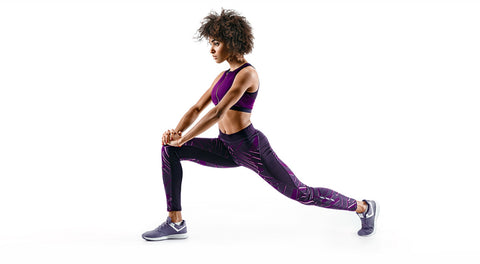
In summary, incorporating strength training into off-ice training routines is a crucial step for figure skaters at every level.
This training helps build muscles, prevent injuries, and elevate overall performance on the ice.
Flexibility Training for Figure Skaters
Flexibility is a fundamental element of figure skating, given that it allows skaters to execute a more extensive range of motion and perform more fluid movements.
Flexibility also plays a critical role in injury prevention, as tight muscles and joints are more prone to injury.
A flexible skater moves with more grace and control... and recovers faster when something unexpected happens mid-routine.
Here are four ways figure skaters can improve their flexibility:
- Dynamic stretching: Involves movement, such as leg swings or lunges, and is best done as part of a warm-up before training to avoid injury. Be sure to stretch those hamstring muscles.
- Static stretching: Involves holding a position for a set period, such as a seated straddle or hamstring stretch. Best done after a workout or training session.
- Proprioceptive neuromuscular facilitation (PNF): Involves a combination of contracting and relaxing the muscles being stretched. Often done with a partner or a resistance band.
- Yoga: Many figure skaters incorporate yoga into their training routines, as it improves flexibility, balance, and overall body awareness. Start easy before trying the more difficult positions.

When working on flexibility training, take it slow and expand the stretches a little at a time.
Pay close attention to proper form and technique to avoid injuries.
Here are a few additional tips:
- Breathe deeply and steadily throughout each stretch.
- Avoid bouncing or jerking movements, as these can strain muscles and joints.
- Hold each stretch for at least 15-30 seconds, or longer if comfortable.
- Focus on major muscle groups such as the legs, hips, back, and shoulders.
By incorporating flexibility training into their routines, figure skaters can improve their performance on the ice, prevent injuries, and promote overall health and wellness.
Cardiovascular Training for Figure Skaters
Cardiovascular training is an essential component of figure skating, as it improves endurance, stamina, and overall cardiovascular health.
A skater who runs out of gas in the final minute of a program has a cardio problem, not a technique problem.
Here are some ways figure skaters can improve their cardiovascular fitness:
- Aerobic exercise: Continuous, rhythmic movements that elevate the heart rate, such as jogging, cycling, or slide board training.
- Interval training: Alternating periods of high-intensity exercise with periods of lower intensity or rest. For example, sprinting for 30 seconds, then walking or jogging for a minute, repeated for several rounds.
- Circuit training: Moving through a series of exercises with little to no rest in between, such as jumping jacks, squats, lunges, and push-ups. This improves both cardiovascular fitness and muscular endurance.
- Plyometrics: Explosive movements, such as jump squats or box jumps, that improve power and speed.

When working on cardiovascular training, start slow and gradually increase the intensity and duration of exercises.
Here are a few additional tips:
- Choose activities that are enjoyable and varied to maintain motivation.
- Aim for at least 30 minutes of moderate-intensity exercise most days of the week.
- Incorporate both aerobic and anaerobic exercises into your routine.
- Always allow time to warm up and cool down before and after each session.
Injury Prevention and Nutrition
Injury prevention is a vital aspect of all sports, and figure skating is no exception.
Here are some injury prevention strategies that can help keep figure skaters healthy and safe:
- Proper warm-up and cool-down: A thorough warm-up increases blood flow to the muscles and prepares the joints. Cooling down after training helps prevent stiffness and reduces injury risk.
- Wear appropriate gear: Well-fitted skates and protective padding help reduce the risk of injury during sessions.
- Cross-train: Activities like strength training, yoga, or swimming improve overall fitness and reduce overuse injuries.
- Rest and recovery: Rest allows the body to recover and repair. Overtraining and pushing through pain leads to injury and should always be avoided.
- Proper technique: Correct form in all jumps, spins, and maneuvers is essential. Skaters should never attempt moves beyond their current skill level.
- Nutrition and hydration: A well-balanced diet and proper hydration support recovery and reduce the risk of injury.
It's important to work with a coach or trainer to develop a personalized training program that accounts for individual strengths, weaknesses, and injury history.
Always listen to your body and seek medical attention if pain or injury occurs.

Nutrition and Hydration for Figure Skaters
Proper nutrition and hydration are essential components of a figure skater's training regimen.
Proper fueling supports energy levels, endurance, and recovery, while also reducing the risk of injury and illness.
What you eat off the ice directly affects how you perform on it.
Here are some key nutrition and hydration tips for figure skaters:
- Stay hydrated: Drink enough water throughout the day to maintain proper hydration. During training, drink water before, during, and after your session to replenish fluids lost through sweat.
- Fuel up with carbohydrates: Carbohydrates are the body's primary source of energy. Great sources include whole grains, fruits, and vegetables.
- Get enough protein: Protein is key for building and repairing muscles. Good sources include lean meats, fish, poultry, beans, and lentils.
- Choose healthy fats: Healthy fats found in nuts, seeds, avocados, and oily fish provide sustained energy and support overall health.
- Don't forget vitamins and minerals: A varied diet rich in fruits and vegetables ensures skaters get all the nutrients they need for optimal performance.
- Timing is key: Eat a small carbohydrate and protein snack 30-60 minutes before training for sustained energy, and another within 30-60 minutes after training to support muscle recovery.
- Limit sugary and processed foods: These cause blood sugar spikes and crashes. Choose whole, nutrient-dense options wherever possible.
Work with a registered dietitian or sports nutritionist to develop a personalized nutrition plan based on your individual needs and training goals.

Mental Training for Figure Skaters
Mental training is an essential component of a figure skater's overall program.
The ability to stay focused, calm, and confident under pressure can make all the difference in a competition.
The skaters who win in competition are often the ones who trained their mind as hard as their body.
Here are some mental training strategies figure skaters can use to improve their performance:
- Visualization: Mentally rehearsing a perfect jump, spin, or landing creates neural pathways that translate directly to better execution on the ice.
- Positive self-talk: Replacing negative thoughts with affirmations like "I can do this" or "I am strong and capable" helps skaters stay motivated through tough training moments.
- Goal-setting: Breaking larger goals into smaller, achievable milestones helps skaters track progress and stay motivated.
- Breathing and relaxation techniques: Deep breathing, progressive muscle relaxation, and meditation reduce anxiety and increase focus before and during competition.
- Mental rehearsal: Running through a full routine in your mind, imagining every detail, builds confidence and a sense of preparedness before stepping onto the ice.
- Positive imagery: Visualizing flawless execution and the satisfaction that comes with success reinforces confidence in your own abilities.

By incorporating mental training strategies into your regimen, you can improve your performance and skating skills both on and off the ice.
Consider stepping away periodically to try something different like dance or ballet... it helps decompress from the daily training grind and keeps you mentally fresh.
Work with a qualified sports psychologist or mental training coach to develop a personalized plan that fits your individual needs and competitive goals.
Conclusion
In conclusion, off-ice training is a crucial component of a figure skater's training regimen.
Skaters who commit to a complete off-ice program improve their performance both on and off the ice by building the total-body fitness that elite skating demands.
A skater will greatly improve their overall fitness and skills by implementing off-ice conditioning through:
- Strength training
- Flexibility training
- Cardiovascular training
- Injury prevention strategies
- Nutrition and hydration
- Mental training
That's not to say beginners or recreational skaters wouldn't also benefit from training like a figure skater for better overall health.
Developing a personalized training plan with qualified coaches and trainers is essential to achieving success in this sport.
With devotion, perseverance, and a comprehensive approach to training, figure skaters can reach their full potential in the sport they love.
Frequently Asked Questions About Off-Ice Figure Skating Training
What is off-ice training for figure skaters?
Off-ice training is any structured exercise or conditioning work performed away from the ice. It typically includes strength training, flexibility work, cardio, and mental preparation. The goal is to build the athletic foundation that allows skaters to perform jumps, spins, and footwork with greater power and precision on the ice.
How often should figure skaters train off the ice?
Most competitive figure skaters train off the ice 3-5 days per week, depending on their level and schedule. Beginners can start with 2-3 sessions per week and build from there. Off-ice sessions typically run 45-90 minutes and are designed to complement, not replace, on-ice practice time.
What are the best off-ice exercises for figure skaters?
The best off-ice exercises for figure skaters include plyometrics (box jumps, jump squats), bodyweight movements (squats, lunges, push-ups), flexibility work (yoga, static and dynamic stretching), and cardiovascular training (jogging, cycling, slide board). A well-rounded program combines all of these to build the strength, speed, and endurance skating demands.
Can off-ice training replace on-ice practice?
No, off-ice training is designed to complement on-ice practice, not replace it. The best results come from combining both. Off-ice work builds the physical and mental foundation, while on-ice time develops skating-specific skills, edge control, and program execution. Together they create a complete, well-rounded skater.
How can I practice skating skills off the ice at home?
Many skaters use a home skating surface to practice edges, footwork, and basic skating movements between rink sessions. Combined with a solid off-ice conditioning program, training at home is one of the most effective ways to accelerate development and get more quality practice time without relying entirely on rink availability.