Changes the currency used to display prices on this site.
0 Cart
Added to Cart
    You have items in your cart
    You have 1 item in your cart
    Total
    Check Out Continue Shopping

    Info & Tips — figure skating

    Figure Skating Spins: The Best Complete Guide to Every Type

    Figure Skating Spins Complete Guide

    Quick Answer: What are figure skating spins?

    Figure skating spins are elements where a skater rotates continuously on one foot.


    The three main categories are upright spins (body tall), sit spins (skating knee deeply bent), and camel spins (free leg extended parallel to or above the ice).


    Beginners start with the scratch spin and progress through sit and camel variations.


    Advanced spins... layback, Biellmann, flying camel... require years of flexibility and strength development.


    Under competitive rules, a spin must reach at least 6 revolutions to earn a Level 1 feature.

    Spins are one of the most visually stunning and technically demanding elements in figure skating.

    When executed well, they demonstrate balance, flexibility, and complete control of your body on the ice.

    Whether you're just learning your first upright spin or working toward a Biellmann, understanding every type of figure skating spin gives you a clear path to mastering the discipline.

    Each spin tests a different set of skills, from core stability and edge control to strength and body awareness.


    Practice Every Figure Skating Spin at Home With PolyGlide Ice


    At PolyGlide Ice, we believe every skater deserves more time on the ice to develop the skills they love... on their own schedule, without limits.

    This guide breaks down every major spin in figure skating, from beginner basics to elite-level variations, so you can build your skills with purpose and clarity.

    figure skating spins complete guide

    What Makes a Great Figure Skating Spin?

    Before diving into individual spin types, it helps to understand what judges and coaches look for in a well-executed spin.

    A great spin isn't just about rotating fast.

    The quality of a figure skating spin is measured by its centering, speed, position control, and the number of clean revolutions held in each position.

    Under the International Judging System (IJS), spins are graded on Grade of Execution (GOE), which rewards skaters for:

    • Good centering... staying within a 6-inch radius on one spot of ice
    • Consistent or accelerating speed throughout
    • Clear, well-defined body positions
    • Smooth, controlled entry and exit edges
    • Difficult variations and change of foot for added value

    A spin earns a minimum Level 1 when it achieves 6 clean revolutions.

    Elite competition spins regularly hit 10+ revolutions per position.

    Every spin in figure skating builds on these fundamentals. Mastering them starts with understanding your edges... our guide to essential figure skating moves covers the edge foundations every spin depends on.

    The Three Core Spin Categories

    All figure skating spins fall into three main categories based on body position:

    • Upright: Body tall, skating leg straight. Examples: scratch spin, layback, Biellmann. Typically introduced at Basic 4.
    • Sit: Skating knee deeply bent, thigh parallel to ice. Examples: basic sit spin, flying sit. Typically Basic 5-6.
    • Camel: Free leg extended parallel or above the ice. Examples: camel, flying camel, death drop. Typically Preliminary/Pre-Juvenile.

    Combination spins link two or more categories in one continuous element, often with a change of foot.

    How Do You Do the Upright Spin?

    The upright spin is the foundation of all figure skating spins.

    You enter it from a back outside edge, draw your free leg and arms in tight to accelerate, and spin on the ball of your skating foot.

    The scratch spin is usually the first spin taught to beginners because it teaches the core mechanics that every other spin depends on.

    Most skaters first encounter it at the US Figure Skating Basic 4 level, and refining it never truly stops... even elite competitors work on their scratch spin centering consistently.

    How to Enter an Upright Spin

    Most upright spins are entered with a forward left outside edge (for counterclockwise spinners).

    You step into the spin, transfer your weight, and pull your arms and free leg inward to increase rotational speed.

    Key checkpoints for a clean upright spin:

    • Chin up, eyes focused at a fixed point forward
    • Skating hip pressed down and under the body
    • Free leg crossed tightly at or above the knee
    • Arms pulled into the chest, not the lap
    • Spinning on the ball of the foot, not the heel or toe pick

    Upright Spin Variations

    Back scratch spin: Same mechanics as the forward scratch spin but executed on the back outside edge. More challenging to center and is a prerequisite for many combination spins.

    Cross-foot spin: Both feet on the ice, crossed at the ankles. Often taught as an early beginner spin before the one-foot scratch spin is fully developed.

    Attitude spin: The free leg is bent behind the body in a ballet-style attitude position rather than pulled in tight. Adds elegance and visual variety to programs.

    figure skating sit spin technique

    How Do You Do the Sit Spin?

    The sit spin is one of the most recognizable elements in figure skating, and one of the most demanding on your quads.

    In a sit spin, your skating knee is deeply bent so your thigh is parallel to the ice or lower, while your free leg extends forward and outward.

    The lower you sit, the more impressive... and the higher the GOE reward from judges.

    The sit spin is typically introduced at the Basic 5-6 level in US Figure Skating's Learn to Skate curriculum.

    Common Sit Spin Mistakes

    Most beginners struggle with the sit spin for the same reasons:

    • Not bending the skating knee deeply enough
    • Free leg dropping too low or dragging on the ice
    • Leaning forward onto the toe pick and losing centering
    • Insufficient core engagement causing wobbling and travel

    The fix is almost always strength... building quad endurance and core stability off the ice makes the sit spin significantly easier to hold and center.

    Sit Spin Variations

    Back sit spin: Executed on the back inside edge. Significantly harder to center than the forward sit spin... an advanced element.

    Cannonball spin: The free leg is pulled in tight in a tucked position, creating a compact shape and fast rotation.

    Flying sit spin: Entered with a small jump rather than a standard entry. The skater takes off, becomes briefly airborne, and lands directly into the sit spin position. A crowd favorite.

    How Do You Do the Camel Spin?

    The camel spin is defined by the free leg extending behind and above the hip, with the upper body tilted forward, creating a near-horizontal line from head to toe.

    A well-executed camel spin requires exceptional hip flexibility, strong back muscles, and precise edge control to stay centered while rotating in that open position.

    It is typically introduced at the Preliminary or Pre-Juvenile level and is a required element in many competitive programs from that level upward.

    Getting Your Camel Spin Right

    The most common issue: the free leg drops below hip height, reducing the visual line and lowering the GOE score.

    Focus on:

    • Pressing the free hip down and rotating it open
    • Extending the free leg from the hip, not just the knee
    • Keeping the upper body parallel to the ice, not tilted sideways
    • Engaging your core to prevent wobbling in the free leg

    Camel Spin Variations

    Back camel: Same position on the back outside edge. Considered one of the hardest basic spins to center cleanly.

    Flying camel: Entered with a jump from a back outside edge takeoff. The skater jumps, rotates in the air, and lands directly into the camel spin position.

    Death drop: A dramatic flying camel variation where the skater appears to fall toward the ice before catching in a back sit spin position. One of the most visually spectacular spins in skating.

    What Is the Layback Spin?

    The layback spin is one of the most graceful elements in figure skating and is most commonly performed by women.

    You spin upright on a forward inside edge while dropping your head and upper body back, arching your spine, and extending your free leg behind or to the side.

    The layback spin rewards flexibility, body line, and the confidence to trust your balance while looking backward and rotating at speed.

    It typically appears at the Juvenile or Intermediate level and above in competitive programs.

    Key Technique Points

    • The arch comes from the upper back, not just the neck
    • Hips stay forward and square over the skating foot
    • Arms can extend out or overhead for visual effect and GOE
    • Free leg position varies... extended back, bent, or crossed creates different looks and difficulty values

    Skaters who rush the layback before their back flexibility is ready often compensate by tilting sideways, which throws off centering and the visual line entirely.

    The Catch-Foot Layback

    An advanced variation where the skater reaches back and grabs the free blade, pulling the leg up into a deep arch above the head.

    This position is a direct precursor to the Biellmann spin... one of the most iconic and demanding spins in all of figure skating.

    What Is the Biellmann Spin?

    Named after Swiss champion Denise Biellmann, this spin is the gold standard of upright spin variations.

    The skater reaches back with both hands, grabs the blade of the free foot, and pulls the leg up and over the head into a full vertical split position while spinning.

    The Biellmann requires extreme shoulder flexibility (approximately 180° from spine), exceptional back mobility, and enough skating strength to maintain centering in such an open position.

    It is not a beginner or intermediate spin... most skaters spend years building the required flexibility before attempting it safely.

    If the Biellmann is on your radar: work on catch-foot positions on and off the ice, shoulder flexibility stretches, and deep hip openers every day as part of your training routine.

    figure skating combination spins and advanced spin training

    What Are Combination Spins in Figure Skating?

    A combination spin links two or more spin types, often with a change of foot, in one continuous element.

    They are required in competitive figure skating programs at almost every level and are worth significant points when executed cleanly.

    The most impressive combination spins flow seamlessly from one position to the next without losing speed, centering, or the clarity of each body position.

    Under IJS, a combination spin can earn additional level features for difficult variations, change of position, change of foot, and difficult entry.

    Common Combination Spin Sequences

    • Camel-Sit: Camel to Sit spin. Intermediate level.
    • Camel-Sit-Upright: Camel to Sit to Scratch spin. Intermediate/Advanced level.
    • Flying Camel-Sit: Flying entry to Camel to Sit spin. Advanced level.
    • Layback-Biellmann: Layback to Catch-foot to Biellmann. Elite level.

    Change-of-foot combinations, where you transfer from one foot to the other mid-element, add further value under IJS scoring.

    How Can You Practice Figure Skating Spins at Home?

    One of the biggest frustrations for figure skaters is limited ice time.

    Rink availability, travel, and cost all cut into the hours you need to build consistent, reliable spins.

    PolyGlide Ice panels let you set up your own skating surface at home, indoors or outdoors, so you can practice spins, footwork, and edges on your actual skates whenever you want.

    Skaters who train on a home ice surface report faster spin development because they can work on entry technique, centering, and body position repeatedly without booking rink time.

    Off-Ice Spin Drills That Actually Work

    Not all spin practice needs to happen on ice. These off-ice drills build the muscle memory and physical foundations that directly transfer to ice:

    • Spin board or rotation disk: Practice pulling arms and free leg in tight to feel centripetal acceleration.
    • Single-leg balance holds: Stand on one foot with eyes closed for 30-60 seconds to build proprioception.
    • Sit spin squats: Hold a deep single-leg squat with free leg extended forward... builds the quad strength a sit spin demands.
    • Back flexibility stretches: Daily work toward layback and Biellmann positions off ice accelerates progress on it.
    • Core planks and rotational exercises: Spinning fast and staying centered requires a rock-solid core.

    Adding Spins to Your Overall Skating Toolkit

    Spins don't exist in isolation.

    The edge control and body awareness you develop through spin training directly improve your jump technique, your footwork, and your overall program quality.

    The skaters who progress fastest are the ones who treat spins as a technical discipline, not just a pretty moment in the program, and practice them with the same intention they bring to their jumps.

    Conclusion

    From the basic scratch spin to the elite Biellmann, every figure skating spin is a lesson in body control, balance, and dedication.

    Building your spin repertoire takes time, but with focused practice and the right training habits, every level is achievable.

    The more time you can spend on the ice... or on a home skating surface between rink sessions... the faster your spins will develop.

    Frequently Asked Questions About Figure Skating Spins

    What is the easiest figure skating spin to learn?

    The scratch spin (basic upright spin) is the first spin taught to most beginners, typically at the US Figure Skating Basic 4 level. It requires no special flexibility, just edge control, balance, and the ability to pull your arms and free leg in tight. Most beginners can complete a recognizable scratch spin within 3-6 months of regular practice.

    What is the hardest figure skating spin?

    The Biellmann spin is widely considered the hardest upright spin, requiring extreme shoulder and back flexibility to hold the free leg overhead while rotating. Among flying spins, the death drop is one of the most demanding... the skater must fully commit to a near-fall before catching in a back sit position. The back camel is also notoriously difficult to center consistently at any level.

    How many revolutions does a figure skating spin need in competition?

    Under ISU rules, a spin must achieve a minimum of 6 revolutions to be counted as a Level 1 spin feature. Additional revolutions per position (8+) can earn higher Level designations and GOE bonuses. Elite combination spins often contain 10-15+ total revolutions across all positions.

    How long does it take to learn the scratch spin?

    Most skaters with consistent practice (2-3 sessions per week) can achieve a recognizable scratch spin within 3-6 months. Getting it fully centered and fast, the standard expected in competition, typically takes 1-2 years of dedicated work. The key factors are edge quality, body awareness, and the ability to maintain a tight, held position under rotation stress.

    What is a flying spin in figure skating?

    A flying spin is any spin entered with a jump takeoff rather than a standard gliding entry. The skater becomes briefly airborne and lands directly into the spin position. Common flying spins include the flying sit spin, flying camel, and death drop. Flying spins earn additional level features under IJS and are considered significantly harder than their non-flying counterparts.

    Can you practice figure skating spins without ice?

    Yes, and it's highly effective. Off-ice spin boards, rotation disks, and balance training directly build the muscle memory and proprioception spins require. Practicing on a home skating surface is even better... you use your actual skates and develop the same edge feel and entry mechanics that transfer directly to rink performance.

    What is a combination spin in figure skating?

    A combination spin links two or more spin positions (upright, sit, and/or camel) in one continuous element, typically with a change of foot midway through. They are required elements in competitive programs at virtually all levels, and their value increases with the number of positions, changes, and difficult variations included. The camel-sit-upright combination is one of the most common.

    How do you stop spinning in figure skating?

    To exit a spin cleanly, extend your free leg and arms outward to slow rotation (the reverse of pulling in to accelerate), then step out onto a back outside edge to transfer into your next element. Abruptly stopping by digging in the toe pick is technically incorrect and loses points under IJS. A clean, controlled exit edge is one of the marks of an advanced spinner.

    Home Ice Rink: Your Complete Guide to Training on Your Own Rink

    Young teenage girl with dark curly hair practicing figure skating arabesque on PolyGlide synthetic ice surface in cozy home living room with stone fireplace

    Quick Answer: What do you need for ice skating at home?

    Ice skating at home is possible with a PolyGlide Ice surface installed in a garage, den, basement, or backyard. 

    Beyond skating, PolyGlide has a purpose-built synthetic ice curling rink perfect for home or club use.

    See how other skaters have transformed their training — browse our customer testimonials for real-world results.

    If anyone in your household is new to skating, make sure they read our ice skating tips for beginners before stepping onto your new rink.


    You need your skates, a flat open space of at least 4x8 feet, and interlocking PolyGlide Ice panels that require no water, refrigeration, or special flooring. 


    Once it is set up, you can skate daily and practice real on-ice skills year-round, regardless of weather or rink access.

    Getting to the rink takes time, money, and scheduling that most skaters simply do not have every day.

    Crowded public sessions, limited practice ice, and commute time all chip away at the hours a skater actually needs to improve.

    The skaters who improve fastest are the ones who find a way to skate more, not just better.

    A home skating setup changes that equation entirely, putting daily practice within reach for skaters of every level.


    Skate at Home Every Day With Your Own PolyGlide Ice Rink


    At PolyGlide Ice, we believe every skater deserves daily ice time, not just the ones who can afford private lessons and rink rentals.

    This guide covers everything you need to know to set up your own home skating space and start training with purpose, starting today.

    Young girl with red braids laughing and gliding on PolyGlide synthetic ice surface in bright modern home basement, why skaters train at home

    Why Skaters Choose to Train at Home

    Most competitive figure skaters train five to six days per week, but the average public rink offers only a handful of practice sessions each day.

    Rink time fills up fast, especially during peak youth hockey and skating seasons when ice is shared across dozens of programs.

    A home rink removes every scheduling barrier between a skater and their next practice session.

    Daily repetition on your own surface builds the muscle memory that transforms shaky moves into automatic habits.

    For parents of young skaters, the savings in travel time alone can add up to hours each week that go back to the family.

    Adult skaters who are just starting out often find public sessions intimidating, and a private home surface lets them build confidence at their own pace.

    If you are exploring figure skating as an adult, having a surface at home means you can practice the basics every single day without judgment.

    Skaters at every level use home ice to supplement rink time, not replace it... the two work together to accelerate progress faster than rink time alone.

    Pristine smooth white PolyGlide synthetic ice surface installed on hardwood floor in residential living room with bay windows and warm afternoon sunlight

    What You Need to Start Skating at Home

    The list of what you actually need is shorter than most people expect.

    Your regular figure skates or hockey skates work perfectly on PolyGlide Ice, so there is no need for special equipment.

    The surface itself is the main investment, and starter kits are designed to get you sliding with the minimum footprint needed to actually practice.

    PolyGlide Ice panels interlock edge-to-edge without glue, tools, or a special subfloor beneath them.

    All you need to connect the panels is a heavy rubber mallet to seat the edges securely.

    Your current skates, a flat floor, and a PolyGlide Ice surface are all you need to start building real skills at home.

    The surface installs on any flat, hard floor, including concrete, wood, tile, or rubber mat... and it comes apart just as easily if you ever need the space back.

    You will also want a clear helmet and wrist guards if young children are skating, and a pair of blade guards to walk from the rink to other surfaces.

    Beyond that, the only requirement is a skater who is ready to put in the work.

    Clean modern two-car garage with PolyGlide synthetic ice surface installed in the center, setting up a home skating space with glass roll-up garage door

    Setting Up Your Home Skating Space

    A single-car garage is the most common location for a home skating setup, and it works remarkably well.

    Even a 10x10 foot surface gives a skater enough room to practice edges, crossovers, and basic turns with full striding motion.

    Larger spaces open up room for spins, jump prep, and footwork sequences that mirror real program choreography.

    Basements work well too, provided the ceiling is high enough for the skater to extend their arms overhead without restriction.

    If you are setting up outdoors, a flat patio, deck, or driveway works, though covered spaces protect both the skater and the surface from weather.

    Before laying the panels, sweep the floor thoroughly and check for any raised seams or debris that could create uneven spots under the surface.

    A well-prepared surface that you can step onto every morning is worth far more than a perfect rink you can only access twice a week.

    Start at one corner and work outward, connecting each panel with the mallet until the entire surface locks flat and level.

    You can find detailed sizing guidance and panel options on the PolyGlide Ice product info page to match the right setup to your available space.

    Young girl in red hoodie with hockey stick practicing skating skills on PolyGlide synthetic ice surface in finished basement, dynamic hockey training at home

    Skills You Can Practice at Home

    Home ice is more versatile than most skaters realize, especially when they approach practice with a focused plan.

    Edge work is one of the highest-return skills to drill at home, because clean edges underpin every other move in skating.

    If you are working through figure skating footwork patterns, home ice lets you repeat sequences at full speed until the steps become instinctive.

    Spins translate very well to home practice... the rotation mechanics, centering, and entry edges are all trainable on a compact surface.

    Check out our complete guide to figure skating spins for drills you can run through on your home rink every session.

    For jump training, home ice is ideal for pre-jump drills including waltz jump prep, axel wind-ups, and loop entries, even when the ceiling does not allow full rotation jumps.

    Our figure skating jumps guide covers exactly which jump elements you can train safely and effectively at home.

    Every skill that separates good skaters from great ones - edges, spins, crossovers, footwork - is trainable right on your home surface.

    Backward skating, crossovers, mohawks, and three-turns are all perfectly suited to smaller surfaces and build real on-ice confidence with consistent repetition.

    For a full overview of the moves that form the backbone of skating skill, the figure skating moves guide breaks down which skills to target at each stage of development.

    Teenage figure skater with strawberry blonde hair practicing spin on PolyGlide synthetic ice in home den with bookshelves, structured home practice sessions

    How to Structure Your Home Practice Sessions

    The biggest mistake skaters make with home ice is treating it like free skate time instead of structured training.

    Even a 20-minute session built around a clear goal produces more progress than an hour of unfocused gliding.

    Start each session with five minutes of off-ice warm-up, including hip circles, ankle rolls, and knee bends to get the joints ready before stepping on the surface.

    Use the first five minutes on the surface to skate easy forward and backward laps to build up to full skating speed gradually.

    Spend the middle ten to fifteen minutes on your primary skill focus, whether that is a specific spin entry, a footwork sequence, or edge pattern drills.

    Twenty focused minutes on a single skill will move you further than an hour of unfocused free skating without a plan.

    Rotate your focus day to day so you are working edges one session, crossovers the next, and spins the session after that... variety prevents staleness and accelerates overall development.

    Use the final five minutes to run through a short program segment or a series of moves in sequence, putting the individual skills together in context.

    Finish with a cool-down stretch off the surface, targeting the hip flexors, hamstrings, and calves that take the most load during skating.

    Understanding figure skating levels can help you structure your sessions around the skills you need to pass at each stage of development.

    Conclusion

    Ice skating at home is no longer something only elite skaters with custom backyard rinks can access.

    A compact PolyGlide Ice setup turns any flat floor into a real training surface, available every morning before school, every evening after work, and every weekend without a reservation.

    The skaters who close the gap fastest are almost always the ones who found a way to skate more, and home ice is the most direct path to more skating time.

    Whether you are a beginner building your first crossover or an intermediate skater polishing your spins for competition, daily home practice compounds into results that show up every time you step on rink ice.

    Every edge you sharpen at home, every spin you center, every pattern you drill becomes second nature by the time it counts on real ice.

    Explore the full range of PolyGlide Ice surface options to find the setup that fits your space, your goals, and your schedule.

    Frequently Asked Questions About Ice Skating at Home

    Can you actually learn to skate at home without a real ice rink?

    Yes, you can learn and significantly improve your skating skills at home on a PolyGlide Ice surface.

    The surface provides real glide and real edge resistance, so the skills you develop translate directly to natural ice.

    Many skaters use home practice to build fundamentals and then apply them at the rink where they see immediate improvement.

    How much space do you need for ice skating at home?

    A minimum of 6x8 feet gives you enough room to practice basic edges, forward and backward skating, and simple turns.

    A 10x10 or larger space opens up crossovers, footwork sequences, and spin training.

    Most skaters start with a single-car garage, basement, or covered patio and expand the setup over time as they need more room.

    Do regular figure skates work on a home synthetic ice surface?

    Yes, your regular figure skates work on PolyGlide Ice just as they do on real ice.

    You do not need to sharpen your blades differently or make any adjustments to your equipment. 

    The surface is designed to behave like ice under a steel blade, so the skating feel is natural and the skills transfer directly.

    Is ice skating at home safe for young children?

    Home skating is safe for young children when proper protective gear is worn, including a helmet, wrist guards, and knee pads.

    PolyGlide Ice panels lock flat and do not shift during use, so the surface stays stable underfoot.

    Starting children in a small, controlled home environment is often easier than introducing them to a crowded public rink session.

    How is skating on PolyGlide Ice different from skating on real ice?

    PolyGlide Ice provides approximately 85 to 90 percent of the glide you get on natural ice, which is enough to train real skating mechanics with full accuracy.

    Edges feel crisp, crossovers feel natural, and spin rotation behaves the same way it does on ice.

    The main difference is that stops require slightly more force, which actually builds stronger ankle and leg muscles over time.

    What is the best way to practice at home between rink sessions?

    The best home sessions are short, focused, and skill-specific rather than open free skate.

    Pick one or two elements to work on each day, such as a specific edge pattern or a spin entry, and repeat them with intention for 15 to 30 minutes.

    PolyGlide Ice lets you run those repetitions daily, which is exactly the kind of consistent practice that creates lasting improvement on rink ice.

    A Comprehensive Guide to Off-Ice Figure Skating Training

    A Comprehensive Guide to Off-Ice Figure Skating Training

    Quick Answer: What is off-ice figure skating training?

    Off-ice figure skating training is a structured program of strength work, flexibility drills, cardio, and mental preparation performed away from the ice. It helps skaters build the power, endurance, and focus needed to perform jumps, spins, and footwork at their best. Most competitive skaters train off the ice several times a week alongside their on-ice sessions.

    Off-ice training is a crucial aspect of figure skating that should not be overlooked when considering your workout program as an amateur or professional skater.

    It is an essential part of a skater's overall training program that complements on-ice practice.

    Skaters who commit to consistent off-ice training develop the strength, flexibility, and mental focus that separates good skaters from great ones.


    Build Your Off-Ice Figure Skating Training Program at Home With PolyGlide Ice


    At PolyGlide Ice, we believe every skater deserves the ability to train on their own terms... at home, on their schedule, without limits.

    Off-ice training helps skaters improve their overall athleticism, strength, balance, and flexibility, which can enhance their on-ice performance and conditioning.

    This guide covers everything you need to build a complete off-ice training program, from strength and flexibility to cardio, injury prevention, nutrition, and mental preparation.

    Off-Ice Training Fundamentals

    off-ice training fundamentals for figure skaters

    Off-ice training is a crucial part of figure skating and brings many advantages for any level of skater.

    It helps keep skaters safe and prevents injuries when they're on the ice.

    Skaters who train off the ice regularly reduce their chances of getting hurt during practice or competition.

    Off-ice training is famous for its ability to enhance physical fitness by boosting cardiovascular endurance, muscular strength, and flexibility.

    This is particularly important for figure skaters, who must be in top shape to successfully pull off their routines.

    Skaters participating in off-ice training programs can develop the necessary skills and strength to perform more complex figure skating jumps, spin positions, and footwork.

    Off-ice training also allows skaters to mix things up with other activities to improve their fitness and level up their degree in figure skating.

    Consider yoga, Pilates, ballet, and dance as these can help build flexibility, balance, and core strength... all key to nailing those tricky moves on the ice.

    Off-ice training can also help with mental focus, which is essential for mastering complex jumps and spins.

    When skaters regularly engage in off-ice training, it builds mental toughness that helps them push through challenges and stay focused during practice and competition.

    If you're serious about taking your skating to the next level, work with a qualified coach or trainer who has experience with figure skaters.

    The right coach will create a program tailored to the individual skater's needs and goals, covering everything from ballet and rotation work to core strength and conditioning.

    Strength Training for Figure Skaters

    strength training for figure skaters

    Strength training is a vital component of off-ice training for competitive figure skaters.

    It fosters the development of muscles essential for executing jumps, spins, and footwork on the ice.

    Strong muscles are what give a skater the power to launch into the air and the stability to land cleanly every time.

    Strength training also reduces the likelihood of injuries and enhances overall athletic performance across your entire skating routine.

    Importance of a Strength Training Program

    • Muscle Development: Ice skating demands substantial muscle strength, primarily in the legs, core, and upper body. Strength training builds these muscles and adds power and explosiveness on the ice.
    • Injury Mitigation: Robust muscles reduce injury risk, particularly in the knees, ankles, and hips, which are the most commonly injured areas for figure skaters.
    • Improved Performance: Strong muscles allow skaters to execute more complex jumps, spins, and footwork, which directly improves scores in competitive figure skating.

    Types of Strength Training and Conditioning

    Many types of strength training exercises can benefit figure skaters. Some of the most effective include:

    • Plyometric Exercises: Explosive power movements that build strength and speed, such as box jumps, jump squats, and single-leg jumps.
    • Bodyweight Exercises: Exercises that use the body's own weight to build strength, such as push-ups, squats, and lunges.
    • Weight Lifting: Using weights or resistance bands to build strength, such as bench presses, deadlifts, and bicep curls.
    plyometric box jumps for figure skaters

    Body Form and Technique Exercises

    Proper form and position are essential for effective and safe strength training.

    Here are some tips for performing strength training exercises with proper form:

    • Keep your core engaged to protect your lower back.
    • Use a full range of motion for each exercise.
    • Use proper breathing techniques, exhaling on the exertion and inhaling on the release.
    • Avoid overloading the weight, which can lead to injury.

    Recommended Power Sets and Sample Routine

    It is important to perform a sufficient number of sets and repetitions to get the most out of strength training.

    Here is a recommended set and repetition range for figure skaters:

    • Three sets of 8-12 reps for plyometric exercises
    • Three sets of 12-15 reps for bodyweight exercises
    • Three sets of 8-10 reps for weight lifting exercises

    Here is a sample routine for figure skaters that incorporates strength training:

    • Warm-up: 5-10 minutes of cardio (such as jogging or jumping jacks)
    • Plyometric Exercises: Box jumps (3 sets of 8-12 reps), jump squats (3 sets of 8-12 reps), single leg jumps (3 sets of 8-12 reps on each leg)
    • Bodyweight Exercises: Push-ups (3 sets of 12-15 reps), squats (3 sets of 12-15 reps), lunges (3 sets of 12-15 reps on each leg)
    • Weight Lifting: Bench press (3 sets of 8-10 reps), deadlifts (3 sets of 8-10 reps), bicep curls (3 sets of 8-10 reps)
    • Cool-down: 5-10 minutes of stretching

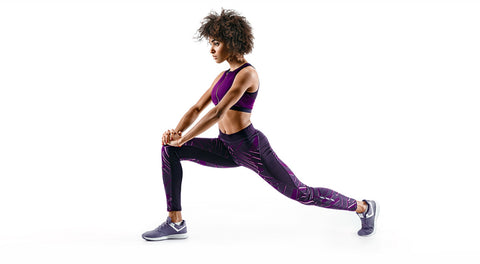
    figure skater stretching routine

    In summary, incorporating strength training into off-ice training routines is a crucial step for figure skaters at every level.

    This training helps build muscles, prevent injuries, and elevate overall performance on the ice.

    Flexibility Training for Figure Skaters

    Flexibility is a fundamental element of figure skating, given that it allows skaters to execute a more extensive range of motion and perform more fluid movements.

    Flexibility also plays a critical role in injury prevention, as tight muscles and joints are more prone to injury.

    A flexible skater moves with more grace and control... and recovers faster when something unexpected happens mid-routine.

    Here are four ways figure skaters can improve their flexibility:

    1. Dynamic stretching: Involves movement, such as leg swings or lunges, and is best done as part of a warm-up before training to avoid injury. Be sure to stretch those hamstring muscles.
    2. Static stretching: Involves holding a position for a set period, such as a seated straddle or hamstring stretch. Best done after a workout or training session.
    3. Proprioceptive neuromuscular facilitation (PNF): Involves a combination of contracting and relaxing the muscles being stretched. Often done with a partner or a resistance band.
    4. Yoga: Many figure skaters incorporate yoga into their training routines, as it improves flexibility, balance, and overall body awareness. Start easy before trying the more difficult positions.

    yoga flexibility training for figure skaters

    When working on flexibility training, take it slow and expand the stretches a little at a time.

    Pay close attention to proper form and technique to avoid injuries.

    Here are a few additional tips:

    • Breathe deeply and steadily throughout each stretch.
    • Avoid bouncing or jerking movements, as these can strain muscles and joints.
    • Hold each stretch for at least 15-30 seconds, or longer if comfortable.
    • Focus on major muscle groups such as the legs, hips, back, and shoulders.

    By incorporating flexibility training into their routines, figure skaters can improve their performance on the ice, prevent injuries, and promote overall health and wellness.

    Cardiovascular Training for Figure Skaters

    Cardiovascular training is an essential component of figure skating, as it improves endurance, stamina, and overall cardiovascular health.

    A skater who runs out of gas in the final minute of a program has a cardio problem, not a technique problem.

    Here are some ways figure skaters can improve their cardiovascular fitness:

    1. Aerobic exercise: Continuous, rhythmic movements that elevate the heart rate, such as jogging, cycling, or slide board training.
    2. Interval training: Alternating periods of high-intensity exercise with periods of lower intensity or rest. For example, sprinting for 30 seconds, then walking or jogging for a minute, repeated for several rounds.
    3. Circuit training: Moving through a series of exercises with little to no rest in between, such as jumping jacks, squats, lunges, and push-ups. This improves both cardiovascular fitness and muscular endurance.
    4. Plyometrics: Explosive movements, such as jump squats or box jumps, that improve power and speed.
    push up cardio training for figure skaters

    When working on cardiovascular training, start slow and gradually increase the intensity and duration of exercises.

    Here are a few additional tips:

    • Choose activities that are enjoyable and varied to maintain motivation.
    • Aim for at least 30 minutes of moderate-intensity exercise most days of the week.
    • Incorporate both aerobic and anaerobic exercises into your routine.
    • Always allow time to warm up and cool down before and after each session.

    Injury Prevention and Nutrition

    Injury prevention is a vital aspect of all sports, and figure skating is no exception.

    Here are some injury prevention strategies that can help keep figure skaters healthy and safe:

    • Proper warm-up and cool-down: A thorough warm-up increases blood flow to the muscles and prepares the joints. Cooling down after training helps prevent stiffness and reduces injury risk.
    • Wear appropriate gear: Well-fitted skates and protective padding help reduce the risk of injury during sessions.
    • Cross-train: Activities like strength training, yoga, or swimming improve overall fitness and reduce overuse injuries.
    • Rest and recovery: Rest allows the body to recover and repair. Overtraining and pushing through pain leads to injury and should always be avoided.
    • Proper technique: Correct form in all jumps, spins, and maneuvers is essential. Skaters should never attempt moves beyond their current skill level.
    • Nutrition and hydration: A well-balanced diet and proper hydration support recovery and reduce the risk of injury.

    It's important to work with a coach or trainer to develop a personalized training program that accounts for individual strengths, weaknesses, and injury history.

    Always listen to your body and seek medical attention if pain or injury occurs.

    proper nutrition and hydration for figure skaters

    Nutrition and Hydration for Figure Skaters

    Proper nutrition and hydration are essential components of a figure skater's training regimen.

    Proper fueling supports energy levels, endurance, and recovery, while also reducing the risk of injury and illness.

    What you eat off the ice directly affects how you perform on it.

    Here are some key nutrition and hydration tips for figure skaters:

    1. Stay hydrated: Drink enough water throughout the day to maintain proper hydration. During training, drink water before, during, and after your session to replenish fluids lost through sweat.
    2. Fuel up with carbohydrates: Carbohydrates are the body's primary source of energy. Great sources include whole grains, fruits, and vegetables.
    3. Get enough protein: Protein is key for building and repairing muscles. Good sources include lean meats, fish, poultry, beans, and lentils.
    4. Choose healthy fats: Healthy fats found in nuts, seeds, avocados, and oily fish provide sustained energy and support overall health.
    5. Don't forget vitamins and minerals: A varied diet rich in fruits and vegetables ensures skaters get all the nutrients they need for optimal performance.
    6. Timing is key: Eat a small carbohydrate and protein snack 30-60 minutes before training for sustained energy, and another within 30-60 minutes after training to support muscle recovery.
    7. Limit sugary and processed foods: These cause blood sugar spikes and crashes. Choose whole, nutrient-dense options wherever possible.

    Work with a registered dietitian or sports nutritionist to develop a personalized nutrition plan based on your individual needs and training goals.

    mental focus and meditation for figure skaters

    Mental Training for Figure Skaters

    Mental training is an essential component of a figure skater's overall program.

    The ability to stay focused, calm, and confident under pressure can make all the difference in a competition.

    The skaters who win in competition are often the ones who trained their mind as hard as their body.

    Here are some mental training strategies figure skaters can use to improve their performance:

    1. Visualization: Mentally rehearsing a perfect jump, spin, or landing creates neural pathways that translate directly to better execution on the ice.
    2. Positive self-talk: Replacing negative thoughts with affirmations like "I can do this" or "I am strong and capable" helps skaters stay motivated through tough training moments.
    3. Goal-setting: Breaking larger goals into smaller, achievable milestones helps skaters track progress and stay motivated.
    4. Breathing and relaxation techniques: Deep breathing, progressive muscle relaxation, and meditation reduce anxiety and increase focus before and during competition.
    5. Mental rehearsal: Running through a full routine in your mind, imagining every detail, builds confidence and a sense of preparedness before stepping onto the ice.
    6. Positive imagery: Visualizing flawless execution and the satisfaction that comes with success reinforces confidence in your own abilities.
    figure skater achieving gold medal through mental training

    By incorporating mental training strategies into your regimen, you can improve your performance and skating skills both on and off the ice.

    Consider stepping away periodically to try something different like dance or ballet... it helps decompress from the daily training grind and keeps you mentally fresh.

    Work with a qualified sports psychologist or mental training coach to develop a personalized plan that fits your individual needs and competitive goals.

    Conclusion

    In conclusion, off-ice training is a crucial component of a figure skater's training regimen.

    Skaters who commit to a complete off-ice program improve their performance both on and off the ice by building the total-body fitness that elite skating demands.

    A skater will greatly improve their overall fitness and skills by implementing off-ice conditioning through:

    • Strength training
    • Flexibility training
    • Cardiovascular training
    • Injury prevention strategies
    • Nutrition and hydration
    • Mental training

    That's not to say beginners or recreational skaters wouldn't also benefit from training like a figure skater for better overall health.

    Developing a personalized training plan with qualified coaches and trainers is essential to achieving success in this sport.

    With devotion, perseverance, and a comprehensive approach to training, figure skaters can reach their full potential in the sport they love.

    Frequently Asked Questions About Off-Ice Figure Skating Training

    What is off-ice training for figure skaters?

    Off-ice training is any structured exercise or conditioning work performed away from the ice. It typically includes strength training, flexibility work, cardio, and mental preparation. The goal is to build the athletic foundation that allows skaters to perform jumps, spins, and footwork with greater power and precision on the ice.

    How often should figure skaters train off the ice?

    Most competitive figure skaters train off the ice 3-5 days per week, depending on their level and schedule. Beginners can start with 2-3 sessions per week and build from there. Off-ice sessions typically run 45-90 minutes and are designed to complement, not replace, on-ice practice time.

    What are the best off-ice exercises for figure skaters?

    The best off-ice exercises for figure skaters include plyometrics (box jumps, jump squats), bodyweight movements (squats, lunges, push-ups), flexibility work (yoga, static and dynamic stretching), and cardiovascular training (jogging, cycling, slide board). A well-rounded program combines all of these to build the strength, speed, and endurance skating demands.

    Can off-ice training replace on-ice practice?

    No, off-ice training is designed to complement on-ice practice, not replace it. The best results come from combining both. Off-ice work builds the physical and mental foundation, while on-ice time develops skating-specific skills, edge control, and program execution. Together they create a complete, well-rounded skater.

    How can I practice skating skills off the ice at home?

    Many skaters use a home skating surface to practice edges, footwork, and basic skating movements between rink sessions. Combined with a solid off-ice conditioning program, training at home is one of the most effective ways to accelerate development and get more quality practice time without relying entirely on rink availability.

    Figure Skating Terminology: Every Skater's Essential Guide

    figure skating terminology

    Quick Answer: What Is Figure Skating Terminology?

    Figure skating terminology is the specialized vocabulary used to describe the sport's jumps, spins, edges, footwork sequences, and competition scoring.


    Key terms include the six major jumps (Axel, Lutz, Flip, Loop, Salchow, Toe Loop), spin positions (upright, sit, camel), edge types (inside and outside), and competition elements like GOE (Grade of Execution) and PCS (Program Components Score).


    Learning this language helps skaters communicate with coaches, self correct their technique, and follow competitions more intelligently.

    Figure skating is one of the most technically demanding and beautiful sports in the world.

    Whether you are just lacing up your skates for the first time or you have been gliding across the ice for years, understanding figure skating terminology opens up a whole new level of appreciation for the sport.

    Knowing the words behind the movements helps you communicate with coaches, follow competitions, and track your own progress more clearly.

    The skaters who learn the language of their sport develop faster, train smarter, and get more out of every session on the ice.


    Master Every Figure Skating Term at Home With PolyGlide Ice


    At PolyGlide Ice, we believe every skater who understands the language of the sport trains with more purpose, communicates more clearly with coaches, and grows faster with every session.

    This guide breaks down the most important figure skating terms across jumps, spins, edges, and competition formats so you can skate smarter and feel more confident on the ice.

    figure skating axel jump

    Jump Terminology in Figure Skating

    Jumps are among the most exciting and technical elements in figure skating.

    There are six major jumps in figure skating, each distinguished by the takeoff edge and method.

    Toe loop: Takeoff from the back outside edge with a toe pick assist on the opposite foot.

    Salchow: Takeoff from the back inside edge, with arms and free leg swinging forward and upward to generate rotation.

    Loop: Takeoff from the back outside edge without a toe pick assist, requiring strong edge control.

    Flip: Similar to the toe loop but takes off from the back inside edge with a toe pick assist.

    Lutz: A counter edge jump that takes off from the back outside edge with a toe pick assist, approaching on a back outside curve before the pick.

    Axel: The only jump with a forward takeoff, from the front outside edge, landing on the back outside edge after 1.5 (or more) rotations.

    Combination jump: A sequence of two or more jumps linked back to back, where the landing edge of one serves as the takeoff for the next.

    Flutz and Lip are informal terms for technique errors: a flutz is a Lutz that incorrectly takes off from an inside edge, and a lip is a flip that accidentally uses an outside edge.

    Mastering jump terminology helps skaters diagnose their own errors and communicate precisely with coaches about what needs correction.

    For a deeper breakdown of the moves you will encounter at every skill level, check out our guide to figure skating moves every skater should know.

    Spin and Edge Terms Explained

    Spins showcase a skater's balance, control, and artistry.

    Understanding spin terminology helps both skaters and spectators appreciate what makes a spin excellent.

    Upright spin: The skater spins in an upright position with the free leg extended or crossed.

    Sit spin: The skater drops into a sitting position with the skating knee bent and the free leg extended forward or to the side.

    Camel spin: The free leg is extended behind the skater in a horizontal position, creating a "T" or arabesque shape.

    Layback spin: An upright spin where the head and upper body arch backward, creating a dramatic visual effect.

    Flying spin: A spin that begins with a jump entry, adding difficulty and visual impact.

    Combination spin: A spin that changes position (upright to sit to camel, for example) during a single continuous spin.

    Edge terms are equally important: the rocker and counter are single step turns that stay on the same edge, while the bracket and choctaw are turns that change edge or foot in the middle of the step.

    A three turn is a one foot turn that leaves a tracing on the ice shaped like the number 3, changing from forward to backward (or vice versa) on the same edge.

    Practicing spins and edge turns at home gives you repetitions that rink time alone cannot provide.

    Explore the PolyGlide Ice product info page to find the right panel setup for your home practice space.

    figure skating program competition

    Competition and Program Terminology

    If you follow figure skating competitions or plan to compete yourself, understanding the structure of competitive programs is essential.

    Short Program (SP): In singles and pairs, this is the first competitive segment where skaters must perform a set number of required elements within approximately 2 minutes and 40 seconds.

    Free Skate (FS): Also called the Long Program, this segment gives skaters more time (typically 4 minutes for women, 4 minutes and 30 seconds for men) and greater freedom in element selection.

    Program Components Score (PCS): Covers five categories: Skating Skills, Transitions, Performance, Composition, and Interpretation of the Music.

    Technical Elements Score (TES): The score awarded for the actual technical elements performed, calculated from the base value plus or minus the Grade of Execution.

    Grade of Execution (GOE): A value from minus 5 to plus 5 added to each element's base value, reflecting the quality of execution.

    Step sequence: A series of turns, steps, and edge maneuvers performed in sequence across the ice, showcasing edge quality and musicality.

    Choreographic sequence: A free form sequence scored on overall movement quality and creativity rather than specific technical elements.

    Understanding competition terminology transforms watching figure skating from a passive experience into an informed one, giving you real insight into what judges are actually evaluating.

    To understand how these elements translate into scores, our figure skating levels guide walks through what each level is expected to perform and how the progression works.

    Major Figure Skating Competitions at Every Level

    Figure skating has a structured competition calendar that runs from fall through spring every year.

    At the elite level, the ISU Grand Prix Series is the sport's most prestigious annual circuit for senior skaters.

    Six Grand Prix events (including Skate America and Skate Canada International) run from October through November each year.

    The top six scorers from the Grand Prix season advance to the Grand Prix Final, held in December.

    The ISU World Figure Skating Championships crown the sport's annual world champions every March or April.

    Four Continents and European Championships round out the elite international calendar for senior skaters each season.

    At the national level, each country holds its own championship series every season.

    The U.S. Figure Skating Championships is one of the most watched events in North American skating.

    Junior skaters compete in the ISU Junior Grand Prix Series, which mirrors the senior circuit.

    It serves as the primary development pathway for the sport's next generation of competitors.

    Below the elite level, regional and sectional competitions give developing skaters structured goals to work toward every season.

    Local club competitions and test sessions are often a skater's first introduction to the competitive format and scoring vocabulary covered in this guide.

    Conclusion

    Figure skating terminology is more than just jargon... it is the language of precision, artistry, and athletic excellence.

    Every term connects to a real skill, a judging standard, or a movement that rewards consistency on the ice.

    Understanding these words changes how you train, how you communicate with coaches, and how you experience the sport.

    Jump terminology reveals what separates one rotation from the next.

    Spin terms show you exactly how judges reward control and creative expression.

    Edge language is the foundation under every element you perform.

    Competition vocabulary turns passive watching into active, informed understanding.

    From the basics to advanced scoring, every section of this guide rewards a closer look.

    Aware skaters train with purpose and communicate more effectively with their coaches.

    Keep a term list, review it before each session, and let the language sharpen your training.

    Frequently Asked Questions About Figure Skating Terminology

    What is the hardest jump in figure skating?

    The Axel is widely considered the most difficult jump because it is the only one with a forward takeoff, requiring an extra half rotation compared to other jumps of the same name.

    A triple Axel requires 3.5 rotations, and a quadruple Axel (quad Axel) is 4.5 rotations, the most difficult jump attempted in competition.

    What does "GOE" mean in figure skating?

    GOE stands for Grade of Execution. Judges score each technical element from minus 5 to plus 5 based on the quality of performance.

    A perfect GOE of +5 on a jump means the skater landed it with exceptional height, distance, speed, flow, and control. GOE scores are added to the base value of each element to create the Technical Elements Score.

    What is the difference between a flip and a Lutz?

    Both the flip and the Lutz use a toe pick assist to launch, but they differ in the takeoff edge.

    The flip takes off from the back inside edge, while the Lutz takes off from the back outside edge. 

    Because the Lutz requires the skater to hold a counter intuitive outside edge before picking, it is more difficult and carries a higher base value in competition scoring.

    What are "edges" in figure skating?

    Each skate blade has two edges separated by a hollow groove down the center.

    The inside edge runs along the side of the blade closest to the other foot... the outside edge runs along the opposite side.

    Every element in figure skating (jumps, spins, turns, and step sequences) is built on precise control of these edges.

    Strong edge technique is the foundation of everything else in the sport.

    Can I practice figure skating terminology drills at home?

    Absolutely.

    Edge work, stroking patterns, crossovers, spin entries, and footwork sequences can all be practiced on a home skating surface.

    PolyGlide Ice panels are specifically designed to give skaters a consistent, low friction surface that mimics real ice, letting you apply the terminology you are learning in real on skates practice between rink sessions.

    Figure Skating Levels Explained: Your Complete Guide

    figure skating levels

    âš¡ Quick Answer: Figure Skating Levels

    U.S. Figure Skating has over 180,000 registered members as of 2024. The testing structure spans about 15 distinct levels. These go from Basic Skills 1 through Senior. The Pre-Preliminary through Senior track is the main competitive pathway.

    Most dedicated skaters advance one level every 6–18 months. This depends on how often they practice. Skaters who train 5+ days per week advance about 2× faster than those practicing just 2 days per week.

    Adult skating programs have grown 40%+ over the past decade. The path through the levels is open to skaters of any age. Home synthetic ice practice is one of the best tools for speeding up that progression.


    Advance Through Every Figure Skating Level Faster at Home With PolyGlide Ice


    Whether you're new to skating or working toward your first competition, understanding figure skating levels is one of the most useful things you can do as a skater.

    Levels give you a roadmap, a clear structure that shows exactly where you stand and what skills you need to develop next.

    The good news is that you don't have to wait for rink time to start building toward your next level.

    Skaters across the country are using PolyGlide Ice to practice edges, turns, and footwork sequences right at home. This accelerates their progression between lessons and coached sessions.

    This guide covers every major figure skating level. It explains how the testing process works. It also shows how a home setup can help you advance faster than you thought possible.

    what are figure skating levels

    What Are Figure Skating Levels and Why Do They Matter?

    Figure skating levels are standardized benchmarks set by governing bodies like U.S. Figure Skating and the International Skating Union (ISU).

    They define the specific technical skills a skater must demonstrate to compete or test at a particular stage of development.

    Think of levels like grades in school. Each one builds on the last. The skills you learn at one level become the tools you use at the next.

    Skipping a level or rushing through it without mastering the skills creates gaps that can hold you back for years.

    Coaches consistently see this pattern in skaters who try to rush the process.

    Every elite figure skater, no matter how talented, spent time at the beginner and intermediate levels building the muscle memory and technical precision that defines their craft.

    U.S. Figure Skating has over 180,000 registered members as of 2024. That includes everyone from first-timers to Olympic competitors. This community shows that the path through the levels is well-defined and deeply rewarding.

    Knowing where you are in this progression removes the guesswork. It gives you a clear, actionable plan.

    The Basic Skills Foundation: Where Every Skater Starts

    The U.S. Figure Skating Basic Skills program is the entry point for most skaters in the United States.

    It has eight levels, numbered Basic 1 through Basic 8. Each one introduces new skating fundamentals in a logical, progressive order.

    Basic 1 covers the absolute essentials. You learn to get comfortable on the ice, march, glide, and practice basic stops.

    In Basic 2 and 3, skaters start working on forward crossovers and backward skating. They also practice simple turns that introduce edge control.

    By Basic 6, 7, and 8, skaters learn more advanced footwork. This includes three-turns, Mohawks, and basic spins. These are the same foundational elements found in competitive programs at higher levels.

    These early levels build the foundation for every edge skill, balance habit, and body position. The quality of that foundation determines how quickly a skater advances later.

    Many skaters underestimate Basic Skills drills. But coaches consistently say that mastering these foundations leads to faster advancement and fewer setbacks at higher levels.

    With a PolyGlide starter kit, you can practice at home every day. You don't have to wait for lesson days to work on balance and edge awareness.

    Pre-Preliminary Through Intermediate

    Pre-Preliminary Through Intermediate: The Critical Development Window

    After finishing the Basic Skills program, skaters enter the formal U.S. Figure Skating test structure. It begins at the Pre-Preliminary level.

    This is where skating gets more serious. Consistent, deliberate practice starts to separate skaters who advance quickly from those who plateau for months.

    The Pre-Preliminary through Intermediate levels are widely seen as the most important developmental window in a competitive skater's career. The skills built here form the technical core of everything above.

    At Pre-Preliminary, skaters are tested on Moves in the Field (MIF) patterns and Free Skate elements. These include single jumps like the waltz jump, salchow, and toe loop.

    The Preliminary level adds more demanding edge patterns. It also introduces jump combinations that require clean takeoffs and consistent landings.

    Pre-Juvenile and Juvenile levels introduce more complex Moves in the Field patterns, combinations, and camel spins. These levels mark the shift from beginner to developing competitor.

    The Intermediate level is where skaters begin working on the Axel jump. The Axel is the only jump that takes off from a forward edge. It is considered a major milestone and a true test of skating mastery.

    Most dedicated skaters advance one test level every 6–18 months. This depends on practice frequency and quality. Skaters who train 5+ days per week advance roughly twice as fast as those training 2 days per week.

    Every element at these levels requires ice time. But daily repetition of edges, turns, and flow at home is what builds the automaticity coaches look for on test day. Consistent home practice on PolyGlide Ice makes that possible.

    Novice, Junior, and Senior: The Competitive Levels

    Beyond Intermediate, the levels shift into full competitive territory: Novice, Junior, and Senior.

    At these levels, skaters compete at regional, national, and eventually international events. This is the top of the U.S. Figure Skating competitive pyramid.

    At the Novice level, skaters must land double jumps cleanly. They also need to execute complex spin combinations with multiple position changes.

    Junior competitors add triple jumps and highly technical footwork sequences. These are scored under the International Judging System (IJS), the same system used at the Olympic level.

    Senior is the highest level. This is where Olympic and World Championship competitors perform. Quad jumps, triple-triple combinations, and elite step sequences are the expectation.

    Senior men typically attempt quadruple jumps. Senior women focus on consistent triple-triple combinations, intricate spins, and elite-level step sequences. These sequences score at Level 4 under IJS criteria.

    Even at the Novice and Junior levels, the skaters who rise fastest are those who prioritize quality training time, whether at the rink or at home.

    Home synthetic ice practice gives skaters a critical edge. They can work on footwork sequences, edge quality, and flow without using up limited and expensive rink time.

    USFSA Testing Structure

    How Does the USFSA Testing Structure Work?

    In U.S. Figure Skating, a formal testing structure governs advancement. It is designed to ensure skaters are genuinely ready before they move up.

    Skaters schedule test sessions with certified judges. Those judges evaluate whether the skater meets the technical and artistic standards for each level.

    Tests are divided into categories: Moves in the Field, Free Skate, Dance, and Pairs. Each category has its own progressive structure that spans from Pre-Preliminary through Senior.

    The Pre-Preliminary through Senior test track spans about 15 distinct test levels. Even the most dedicated skaters take years to complete the full progression.

    To pass a Moves in the Field test, skaters must show strong edge quality, correct technique, and rhythm. They perform standardized patterns that certified judges know well.

    Free Skate tests evaluate jumps, spins, and overall skating quality. Judges want clean technique, not just completed elements.

    Test retakes are allowed, but they come with a waiting period. That's why arriving fully prepared matters so much. Skaters who pass on the first attempt are almost always the ones who put in extra practice outside of rink sessions.

    Adult Figure Skating Levels: A Different Path

    One of the most exciting developments in figure skating has been the explosive growth of adult skating programs over the past decade.

    Adult skating participation has grown more than 40% over the past decade. This growth comes from adults returning to the sport they loved as kids. It also includes first-time skaters who take it up as a hobby or fitness pursuit.

    U.S. Figure Skating has a dedicated Adult competitive track. Age brackets start at 21 and run through the 50+ and 60+ divisions. This gives adult skaters meaningful goals at every stage of life.

    Adult skaters follow the same fundamental skills progression as younger skaters. But they compete within age-appropriate divisions. These divisions recognize the different physical development curve that adults bring to the sport.

    The Adult skating track uses a Bronze, Silver, Gold, and Masters structure. It parallels the traditional levels but is calibrated for adults who started the sport later in life.

    Many adult skaters find that their natural practice style works in their favor. Adults tend to think through technique, listen carefully to instruction, and practice with intention. This focused approach can accelerate progression through the early levels.

    The adult skating community is one of the fastest-growing segments of the sport. A home PolyGlide Ice surface is one of the most practical ways adult skaters can build consistent daily practice. That consistency is what drives level advancement.

    Whether you're starting from scratch or returning after years away, the level structure gives you a clear, rewarding pathway forward.

    home ice practice

    How Home Practice Accelerates Level Advancement

    One factor rarely discussed in skating circles is how much a skater's training environment affects the pace of level advancement.

    Rink access is expensive and limited. Many skaters can only get on the ice two or three times per week. This makes consistent skill-building difficult.

    When every edge, turn, and pattern must be learned in a handful of 45-minute sessions per week, progress slows. That 6–18 month per-level timeline stretches toward the longer end.

    Now picture a skater who also practices at home daily. They reinforce the same patterns and build the same muscle memory. The difference in advancement rate becomes obvious and measurable.

    The skaters who consistently advance through levels fastest are not always the most naturally gifted. They are the ones who find ways to practice more often and more intentionally.

    A PolyGlide Ice panel in your garage, basement, or backyard gives you a real skating surface. You can use it anytime, in any season, without rink schedules or hourly fees.

    Edges, three-turns, Mohawks, step sequences, back crossovers, all of these fundamental skills can be drilled at home. You use real blades on a real skating surface every single day.

    The math is simple: more quality repetitions equals faster skill acquisition equals faster advancement. When you practice every day instead of every few days, you compound your improvement. Rink-only skaters simply can't match that.

    Frequently Asked Questions: Figure Skating Levels

    1. How many levels are there in figure skating?

      The U.S. Figure Skating Basic Skills program has 8 levels (Basic 1 through Basic 8). The formal test structure spans about 15 distinct levels from Pre-Preliminary through Senior. When you add ice dance, pairs, and adult skating tracks, the total number of defined level categories across all disciplines is well over 50. For most recreational and competitive singles skaters, the path from Basic Skills through Senior is the primary progression framework.

    2. What is the difference between recreational and competitive figure skating levels?

      Recreational skating follows the Basic Skills framework (Basic 1–8). It is designed for learning and enjoyment, without formal testing or competition. Competitive skating follows the USFSA test structure from Pre-Preliminary through Senior. Skaters must pass formal tests given by certified judges before moving up. Many skaters do both. They learn through the Basic Skills track and then shift to the competitive structure as their skills grow.

    3. How long does it take to advance through figure skating levels?

      Most dedicated skaters advance one test level every 6–18 months. This depends on practice frequency and quality. Skaters who train 5 or more days per week advance roughly twice as fast as those practicing 2 days per week. Skaters who add home practice on a surface like PolyGlide Ice show faster progression. They build the repetition volume that makes skills automatic, which is the key requirement for passing USFSA tests.

    4. Can adults test through the same figure skating levels as children?

      Adults can follow the same USFSA test structure as younger skaters. But U.S. Figure Skating also offers a dedicated Adult skating track with age brackets starting at 21. The Adult track uses a Bronze, Silver, Gold, and Masters structure. It is calibrated for the adult development curve. Many adult skaters find this track more motivating. It offers competitive goals within age-appropriate divisions, rather than competing against skaters who started as young children.

    5. What is the hardest figure skating level to pass?

      The Senior-level tests are the most technically demanding. They require mastery of triple jumps, complex spins, and elite footwork sequences. However, many skaters find the Intermediate level especially challenging. The Moves in the Field test at Intermediate includes the Axel jump. The Axel is the only jump that takes off from a forward edge. It requires a fundamentally different technique than all other jumps. Most skaters spend more time preparing for their Intermediate test than any other.

    6. What skills are required at the Pre-Preliminary level?

      At the Pre-Preliminary level, skaters are tested on Moves in the Field patterns. These evaluate edge quality, three-turns, and skating power on standardized patterns. The Free Skate test requires single jumps, including the waltz jump, salchow, and toe loop, plus at least one spin. Judges evaluate whether elements are completed with proper technique, clean edges, and consistent control. Thorough preparation matters a great deal.

    7. How does the USFSA testing structure work?

      Skaters schedule formal test sessions through their local skating club or rink. They skate in front of a panel of certified USFSA judges. Judges score their performance against standardized criteria. A passing score moves the skater to the next level. A non-passing score requires a waiting period before a retake. Tests are offered in separate tracks: Moves in the Field, Free Skate, Ice Dance, and Pairs. Skaters can test in multiple disciplines independently.

    8. Can you practice for figure skating level tests at home?

      Yes — and it's one of the most effective ways to accelerate through the levels. The skills tested at every USFSA level can be practiced at home. This includes Moves in the Field patterns like edges, three-turns, crossovers, mohawks, and power stroking. A PolyGlide Ice starter kit provides genuine blade engagement. The patterns you drill at home transfer directly to your performance on real ice at test time.

    Conclusion

    Figure skating levels give every skater a clear, structured path forward. Whether you're a child just finding your balance or an adult chasing a lifelong dream, the path is there for you.

    Knowing where you are in that path, and what it takes to reach the next stage, turns an overwhelming sport into a manageable and rewarding journey.

    Every level you pass represents real technical growth, real commitment, and real confidence built one practice session at a time.

    If you're serious about advancing through the levels, the most powerful thing you can do is practice more often and more intentionally. This applies whether you're a recreational skater, an aspiring competitor, or an adult finding your footing.

    A home skating surface from PolyGlide Ice makes that possible every single day. It doesn't matter what the schedule looks like at your local rink.

    The levels are waiting, and with the right practice environment, you're closer to the next one than you think.